

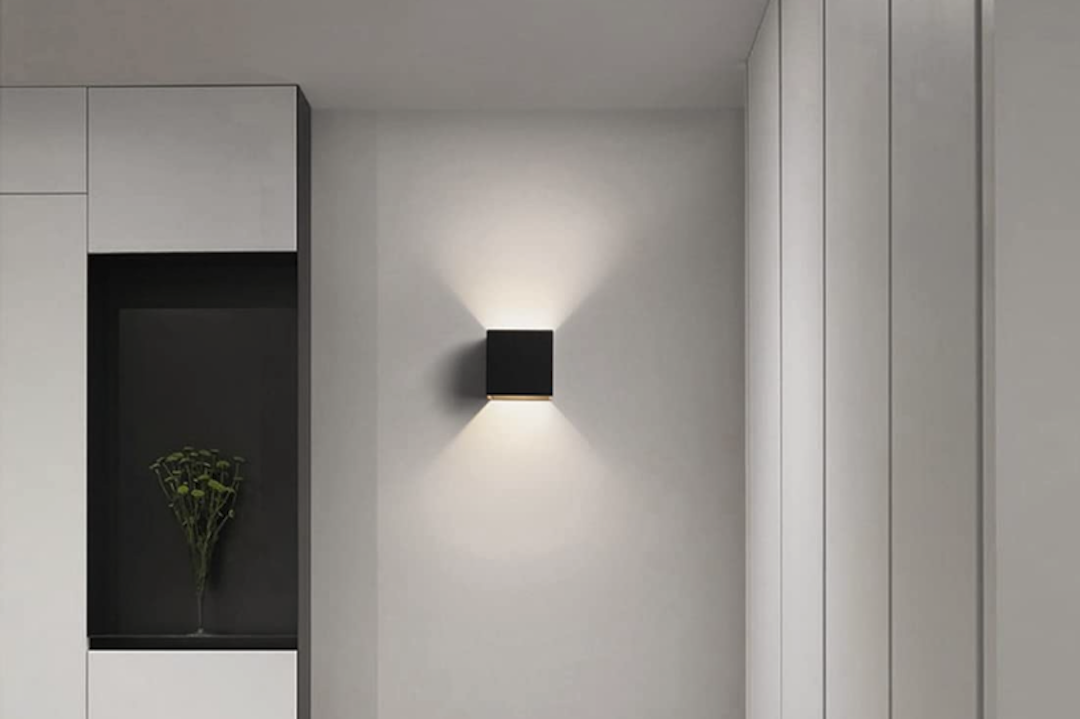
You’re probably wondering if a wireless magnetic rechargeable hallway light is worth adding to your home. The short answer is: if you’re looking for a simple, effective way to brighten up dark hallways, landings, or any other tricky spot without running wires or constantly swapping batteries, then yes, it’s a practical solution that can make a noticeable difference. These lights offer a blend of convenience and functionality that’s hard to beat for many common household lighting needs.
Understanding the Basics: What Exactly is This Thing?
At its core, a wireless magnetic rechargeable hallway light Nanolamps is a compact, battery-powered lamp designed to be mounted and unmounted with ease. The “wireless” part means no electrical cables are needed to power it or connect it to a power source. The “magnetic” aspect refers to the mounting system, usually a strong magnet embedded in the light or its base, allowing it to attach to metal surfaces or a separate metal plate that you can adhere anywhere. And “rechargeable” means you ditch the endless cycle of buying disposable batteries; you simply plug it in or place it on a charging dock when the power gets low.
The Wireless Advantage: Freedom from the Grid
The primary appeal here is the absence of electrical cords. This isn’t just about aesthetics, though it does help keep things tidy. It’s about genuine flexibility.
- Placement Flexibility: You can put these lights just about anywhere there’s a flat surface. Think above doorways that never seem to get enough light, at the top or bottom of stairs, in closets, or even inside large cabinets.
- No Electrical Work: This is a big one for many people. You don’t need to be an electrician or even handy with a drill to install these. Most come with adhesive strips, making installation a peel-and-stick affair. For those who want a more robust hold, a few screws might be an option, but it’s generally not a necessity.
- Temporary Solutions: Moving soon? Renting an apartment? These lights are perfect because they cause no permanent damage and can be taken with you when you leave.
The Magnetic Magic: Snapping into Place
The magnetic mounting is what sets these lights apart from other battery-powered options. It’s about more than just sticking it to the fridge.
- Easy Removal for Charging: This is the killer feature. When the battery needs a boost, you simply pull the light off the wall. No fumbling with screws or battery compartments.
- Repositioning: Changed your mind about where you need light? Just pop it off and stick it somewhere else. It’s ideal for testing different lighting scenarios before committing.
- Versatile Mounting Surfaces: While they attach directly to any ferrous metal, most come with a separate metal mounting plate that you can stick to drywall, wood, or plaster using strong adhesive. This opens up even more placement options.
Rechargeable Convenience: Ditching Disposable Batteries
The rechargeable aspect addresses a common frustration with battery-operated devices: the cost and hassle of replacement batteries.
- Cost Savings: Over time, the cost of buying packs of AA or AAA batteries really adds up. A rechargeable light, even with an initial higher price tag, often proves more economical in the long run.
- Environmental Friendliness: Reducing disposable battery waste is a small but positive step.
- Always Ready (Almost): With a little planning, you can keep your lights charged and ready to go, avoiding the frustrating “out of battery” moments when you need them most.
Where These Lights Shine: Practical Applications
It’s easy to see the theoretical benefits, but where do these lights actually make life easier? Think about the perpetually dim spots in your home.
Illuminating Transitional Spaces
Hallways and staircases are classic examples. They often lack overhead fixtures or are too long to be adequately lit by a single light.
- Hallways: A string of these lights down a long, dark hallway can make it feel safer and more welcoming. You can place them at intervals, or strategically above doorways.
- Staircases: This is a critical safety area. A light at the top, middle, and bottom of stairs can prevent trips and falls, especially for children or older individuals. The motion-sensing feature is particularly valuable here.
- Landings: Those awkward little landings at the top or bottom of a flight of stairs can be surprisingly dark. A small magnetic light can make them feel less forgotten.
Enhancing Storage Areas
Closets, pantries, and even large storage rooms often suffer from poor lighting, making it hard to find what you need.
- Closets: No more digging through piles of clothes in the dark. Stick a light inside your wardrobe for instant, clear visibility. The magnetic feature is great because you can remove it to charge without leaving your closet in total darkness.
- Pantries: Finding that specific spice jar or can of beans becomes a breeze. These lights are small enough not to impede on shelf space.
- Under-Stair Storage: This often overlooked space is a prime candidate for a well-placed light, making it easier to access stored items.
Spotlighting Unlit Corners and Nooks
Beyond the obvious, there are smaller, less conventional spots that could benefit.
- Reading Nooks: If you have a cozy corner where you like to read but there’s no wall outlet for a lamp, a magnetic light can be a lifesaver.
- Above Entryway Tables: A little light above your key drop area can be helpful for finding things as you come and go.
- Behind Furniture: Sometimes, a dark patch behind a sofa or bookshelf can be a minor annoyance. A discreet magnetic light can solve this.
Key Features to Look For
Not all wireless magnetic rechargeable hallway lights are created equal. To make sure you get a model that suits your needs, consider these common features.
Light Modes and Sensors
The functionality can vary significantly beyond just on/off.
- Motion Sensing (PIR): This is perhaps the most popular feature for hallways. The light turns on automatically when it detects movement and turns off after a set period of inactivity. This saves battery life and provides hands-free illumination.
- Dusk-to-Dawn Sensor: Some lights have a built-in sensor that only activates the light or motion detection when it’s dark. This prevents them from turning on unnecessarily during the day.
- Manual On/Off: All lights will have a manual switch, but some might rely solely on this.
- Multiple Brightness Levels: Some models offer adjustable brightness, allowing you to set a dim ambient glow or a brighter task light.
- Different Color Temperatures: You might find options for warm white (cozy, yellow-toned) or cool white (crisp, blue-toned) light, depending on the mood you want to create.
Battery Life and Charging
This is where the “rechargeable” aspect comes into play, and it’s worth paying attention to.
- Battery Capacity: Usually measured in mAh (milliampere-hours). A higher mAh generally means longer battery life between charges.
- Recharge Method: Most use a standard USB cable (USB-A to Micro-USB or USB-C), which is convenient as you can use common chargers. Some might come with a proprietary charging dock.
- Charge Time: How long does it take to fully charge the battery?
- Runtime per Charge: This is crucial. How many hours of light can you expect on a single charge, especially in motion-sensing mode? Manufacturers will often provide estimates, but real-world usage can vary.
Mounting Mechanisms
While magnetic is the core, how the magnet is integrated and what else is supplied matters.
- Direct Magnetic Mounting: The light has a strong magnet itself and attaches directly to metal surfaces.
- Magnetic Base Plate: The light comes with a separate metal plate that you stick to the wall with adhesive. The light then magnetically attaches to this plate. This is the most common and versatile setup.
- Adhesive Strength: For plate-mounted lights, the quality of the adhesive is important for long-term stability. Look for reputable brands that use strong, reliable adhesive.
- Screw Mounting Option: Some units might offer the option to secure the base plate with screws for extra security, though this often defeats the “no drilling” appeal.
Design and Durability
These are often functional items, but aesthetics and build quality still matter.
- Size and Shape: They come in various sizes, from small puck-like lights to longer bar-style fixtures. Consider where you’ll be placing them.
- Material: Most are made of ABS plastic, which is lightweight and durable. Some might have a more premium feel with metallic finishes.
- IP Rating: For areas near bathrooms or kitchens where moisture might be present, look for a light with some level of water resistance (e.g., IP20, IP44).
Installation: Keeping it Simple
One of the biggest selling points of these lights is how easy they are to set up. You generally won’t need a toolbox.
Preparing the Surface
Before you stick anything, make sure the area is ready.
- Cleanliness is Key: Thoroughly clean the area where you plan to mount the light or its plate. Use a mild detergent and water, then ensure it’s completely dry. Any dust, grease, or residue will compromise the adhesive’s bond.
- Surface Type: Most adhesives work best on smooth, non-porous surfaces like painted drywall, glass, metal, or finished wood. Very textured or dusty surfaces might not hold the adhesive well.
- Test Placement: Before peeling the backing off the adhesive, hold the light or plate in place to confirm you’re happy with the location and height.
Attaching the Mount
This is usually the most involved step, but still straightforward.
- Adhesive Strips: Most lights come with pre-applied adhesive strips on either the light itself or its mounting base/plate. Carefully peel off the backing paper.
- Firm Pressure: Once positioned, press the light or plate firmly against the surface for at least 30 seconds. This ensures full contact and allows the adhesive to bond properly.
- Allow to Cure: For the strongest bond, it’s often recommended to let the adhesive cure for a period (usually 24-72 hours, check the manufacturer’s instructions) before attaching the light for the first time or before applying significant weight/stress.
Mounting the Light
This is the satisfying, snap-in moment.
- Magnetic Attraction: If you’re using a separate magnetic plate, simply bring the light close to the plate, and it should snap into place with a satisfying magnetic pull.
- Direct Mount: If the light has its own magnet, find a suitable metal surface and let the magnet do its work.
Maintenance and Charging: Keeping Them Going
To get the most out of your wireless magnetic rechargeable hallway light, some basic upkeep is required.
Charging Cycles
This is the core of the rechargeable experience.
- Frequency: How often you need to charge will depend heavily on usage (how often the motion sensor triggers, how long it stays on) and the battery capacity. Some might last weeks, others months.
- Indicator Lights: Most lights have an LED indicator that shows charging status (e.g., red for charging, green for fully charged).
- Using the Right Charger: Always use the provided USB cable and a compatible power adapter. Don’t use a charger with a vastly different amperage rating than what’s recommended, although most standard USB ports (5V) are fairly universal.
- Avoid Deep Discharge: While modern lithium-ion batteries are more forgiving, consistently letting the battery drain completely to zero can shorten its lifespan over many cycles.
Battery Longevity
Batteries have a finite life.
- Capacity Degradation: Over time and with many charge cycles, the maximum capacity of the internal battery will gradually decrease. This is a normal part of rechargeable battery technology.
- Replacement: Eventually, the battery might not hold a charge for long enough to be practical. At this point, you typically have to replace the entire light unit, as batteries are usually not designed to be user-replaceable.
- Storage: If you’re not using the lights for an extended period, it’s generally best to store them with a partial charge (around 50-70%) rather than fully depleted or fully charged.
Cleaning
Keep them looking their best.
- Gentle Wipe Down: Use a soft, dry cloth to remove dust. For smudges, a slightly damp cloth (water only, or with a tiny amount of mild soap if very dirty) can be used, but ensure the light is powered off and completely dry before using it again.
- Avoid Harsh Chemicals: Steer clear of abrasive cleaners, solvents, or ammonia-based products, which can damage the plastic casing.
Potential Downsides and Alternatives
While convenient, these lights aren’t a perfect fit for every situation.
Limitations to Consider
It’s good to be aware of the trade-offs.
- Battery Dependency: Ultimately, they are battery-powered. If you live somewhere that experiences frequent power outages and you don’t have readily available charged backups, this might not be your primary emergency lighting solution.
- Light Output: While some can be quite bright, they generally won’t match the lumen output of a hardwired overhead fixture. For very large areas or where intense illumination is required, they might be insufficient.
- Aesthetics (Sometimes): Some models can look a bit utilitarian or “plastic-y.” Depending on your home’s decor, you might prefer something more integrated and stylish.
- Battery Life Variability: As mentioned, real-world battery life can differ from manufacturer claims and is heavily influenced by usage patterns.
When to Consider Other Options
If these limitations are deal-breakers, what else could you look at?
- Plug-in Nightlights: Simple, reliable, and don’t require charging, but are limited by outlet availability.
- Hardwired Fixtures: The gold standard for permanent, reliable lighting, but require electrical work and professional installation.
- Solar-Powered Lights: Excellent for outdoor use or very sunny indoor spots, but less practical for typical indoor hallways.
- Smart Bulbs in Existing Fixtures: If you have existing sockets, smart bulbs offer advanced control and automation without new wiring.
In conclusion, wireless magnetic rechargeable hallway lights offer a practical, user-friendly approach to dealing with dim or inconveniently located spaces. Their ease of installation, flexible placement, and rechargeable nature make them a compelling choice for many homeowners looking for targeted illumination without the fuss of traditional lighting solutions.