

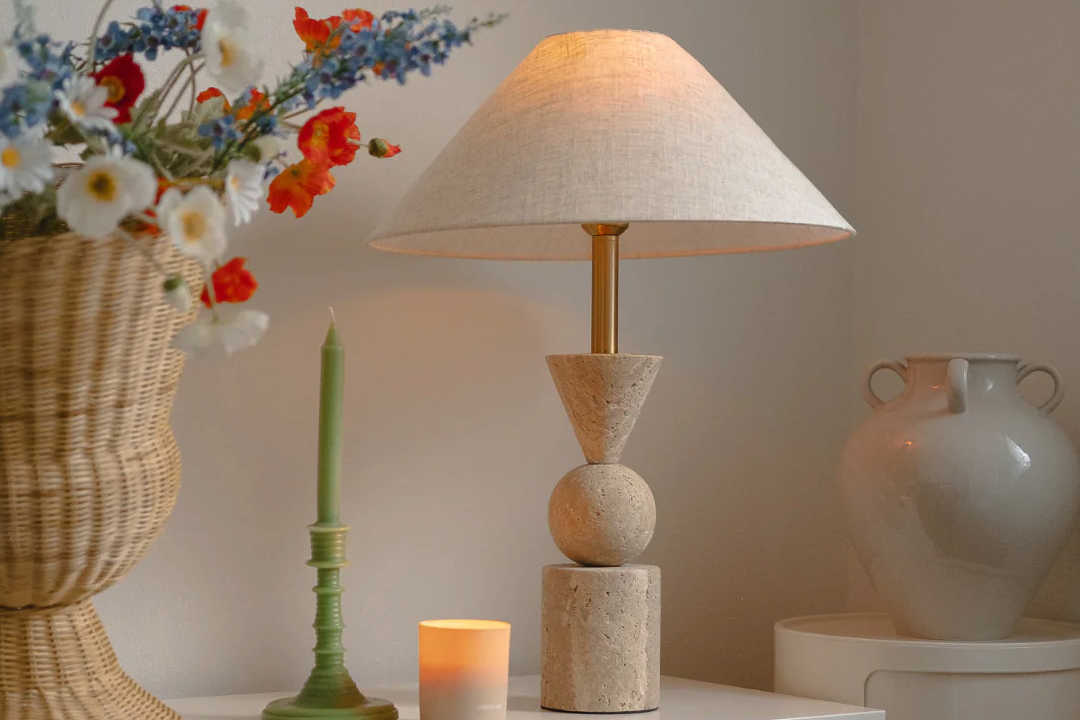
A minimalist travertine stone table lamp isn’t just a light source; it’s an investment in enduring style and a calming ambiance. These lamps offer a unique blend of natural beauty and understated design, making them a fantastic addition to almost any interior. They provide a soft, diffused glow that enhances a space without dominating it, all while showcasing the quiet luxury of natural stone.
Travertine, a form of limestone, is a sedimentary rock known for its distinctive porous structure and beautiful earthy tones. It’s been used in architecture and design for centuries, from ancient Roman temples to modern minimalist homes.
What Makes Travertine Unique?
Unlike marble or granite, travertine has a slightly mottled, often swirling pattern, and naturally occurring small pits and channels. These aren’t flaws; they’re character marks that tell a geological story. Each piece is truly one-of-a-kind.
The Color Palette
Travertine typically comes in a range of warm, neutral colors: creams, beiges, tans, and subtle browns. Sometimes you’ll find pieces with hints of rose or silver-grey. This natural palette makes it incredibly versatile, blending effortlessly with various decor schemes.
Honed vs. Polished: Understanding the Finish
When considering a travertine lamp Bilyhomes, you’ll often encounter terms like “honed” or “polished.” A honed finish is matte and smooth, offering a softer, more organic look that tends to be more water-resistant. A polished finish, on the other hand, is glossy and reflective, highlighting the stone’s natural veining and often making colors appear richer. For a minimalist aesthetic, a honed finish is frequently preferred as it emphasizes the stone’s tactile qualities rather than its shine.
Minimalist Design Principles in Lighting
Minimalism in design isn’t about stark emptiness; it’s about intentionality, functionality, and focusing on essential elements. For lighting, this translates to clean lines, simple forms, and a celebration of materials.
Form Follows Function
A minimalist table lamp serves its primary purpose – illumination – efficiently and without unnecessary embellishment. The design is stripped back to its core, allowing the material, in this case, travertine, to be the star.
Emphasis on Materiality
In minimalist design, the materials themselves become part of the aesthetic. A travertine lamp allows the natural beauty of the stone – its texture, color variations, and inherent character – to shine. There’s no need for elaborate detailing when the material itself is so rich.
Clean Lines and Simple Shapes
You won’t find ornate carvings or complex bases on a minimalist travertine lamp. Instead, expect geometric shapes: cylinders, cubes, rectangles, or simple organic forms. These clean lines contribute to a sense of calm and order.
Subtlety Over Statement
The goal isn’t to create a flashy centerpiece but to introduce a sophisticated, understated element that enhances the overall atmosphere of a room. It adds warmth and texture without overwhelming the space.
Why Choose a Travertine Stone Table Lamp?
Beyond aesthetics, there are practical benefits to incorporating a travertine lamp into your home. It’s more than just a pretty object; it’s a piece with substance.
Durability and Longevity
Travertine is a robust material. While it’s not as hard as granite, it’s very durable and, with proper care, will last for generations. This isn’t a trendy item that will quickly go out of style; it’s a timeless piece.
Earthy Warmth and Texture
The natural stone brings an undeniable warmth and organic texture to a room. In an era of often sterile, manufactured goods, something genuinely natural feels grounding and inviting.
Unique Character
No two pieces of travertine are exactly alike. The natural variations in veining, pitting, and color mean your lamp will be truly unique. This individuality adds depth and personality to your space.
Versatility in Decor
Thanks to its neutral color palette and simple forms, a minimalist travertine lamp can complement a wide array of interior styles. From contemporary and Scandinavian to Japandi and even more traditional settings, it blends seamlessly.
Soft, Diffused Lighting
The inherent opacity of travertine means it provides a wonderfully diffused light. When paired with a suitable shade, it casts a gentle, ambient glow rather than a harsh, direct light, perfect for creating a relaxing atmosphere.
Styling Your Travertine Lamp: Integrating it into Your Home
Bringing a new lamp home is just the first step. The real magic happens when you thoughtfully integrate it into your existing decor. Here’s how to make your travertine lamp truly shine.
Placement Matters: Where to Put It
Consider functionality and aesthetics. A travertine lamp looks stunning on a bedside table, offering a calming light for reading. On a console table in an entryway, it provides a warm welcome. On a sideboard in a living room, it anchors a decorative vignette. The key is to place it where its natural beauty can be appreciated and where its light serves a purpose.
Complementary Materials and Textures
Lean into the natural vibe. Pair your travertine lamp with other natural materials like wood (light or dark), linen textiles, ceramics, wool, or even other subtle stone accents. These materials often share an organic feel that harmonizes beautifully. Avoid clashing with overly glossy or highly synthetic materials right next to it, which might detract from its natural charm.
The Role of the Lampshade
The lampshade is crucial. For a minimalist travertine base, a simple, understated shade is usually best. Think natural linen, cotton, or even a plain paper shade in a neutral color (white, cream, light grey). Avoid overly decorative or colorful shades that might compete with the stone. The shade’s job is to diffuse the light and allow the base to remain the focal point. A drum or cylinder shade often works well, maintaining the clean lines. You could even consider a shade with a very subtle texture for added interest.
Creating a Visual Balance
When styling an area around the lamp, aim for balance. If the lamp is a substantial piece, keep other items nearby a little lighter in visual weight. Perhaps a small, delicate vase with a single stem, a stack of art books, or a simple decorative object. Avoid clutter; the minimalist aesthetic thrives on breathing room.
Lighting Layering
Remember that a table lamp is usually part of a larger lighting scheme. It provides ambient or task lighting, but it should harmonize with overhead lighting, floor lamps, and natural light sources. A travertine lamp’s soft glow is perfect for adding that crucial “layer” of warmth and intimacy to a room.
Caring for Your Travertine Lamp: Keeping it Beautiful
Travertine is durable, but as a natural stone, it requires a little care to maintain its beauty. It’s porous, so knowing how to clean and protect it is important.
Regular Dusting
The easiest and most important step. Use a soft, dry cloth (microfiber works great) to gently dust the lamp base regularly. This prevents dust buildup that can dull the stone’s appearance.
Cleaning Spills Promptly
Because travertine is porous, it can stain if spills are left for too long. If you spill anything, especially colored liquids like coffee, wine, or oils, wipe it up immediately with a clean, damp cloth. Avoid harsh scrubbing.
Gentle Cleaning Solutions
For general cleaning or very light marks, a very mild, pH-neutral stone cleaner diluted in water is best. You can also use just plain water and a soft cloth. Avoid abrasive cleaners, acidic cleaners (like vinegar or lemon juice), and anything with harsh chemicals, as these can etch or damage the stone surface. Test any cleaner in an inconspicuous area first.
Avoiding Scratches and Etching
While durable, travertine isn’t impervious to scratches. Avoid dragging sharp objects across the surface. Also, be mindful of what you place directly on the stone; consider placing felt pads under any decorative items to prevent accidental scratching. Acidic substances can etch the surface, leaving dull spots, so be extra careful with items like citrus fruits or certain cleaning products.
Sealing (If Applicable)
Some travertine lamps may come sealed, which offers an extra layer of protection against stains. If yours is unsealed or if the seal wears off over time, you might consider applying a stone sealer specifically designed for travertine. This common practice in stone care can significantly reduce its porosity and make it easier to clean. It’s usually a simple spray or wipe-on application, but always follow the product instructions carefully.
By following these simple care tips, your minimalist travertine stone table lamp will continue to be a source of timeless elegance and warm light in your home for many years to come. It’s a piece designed to be cherished, not just used.