

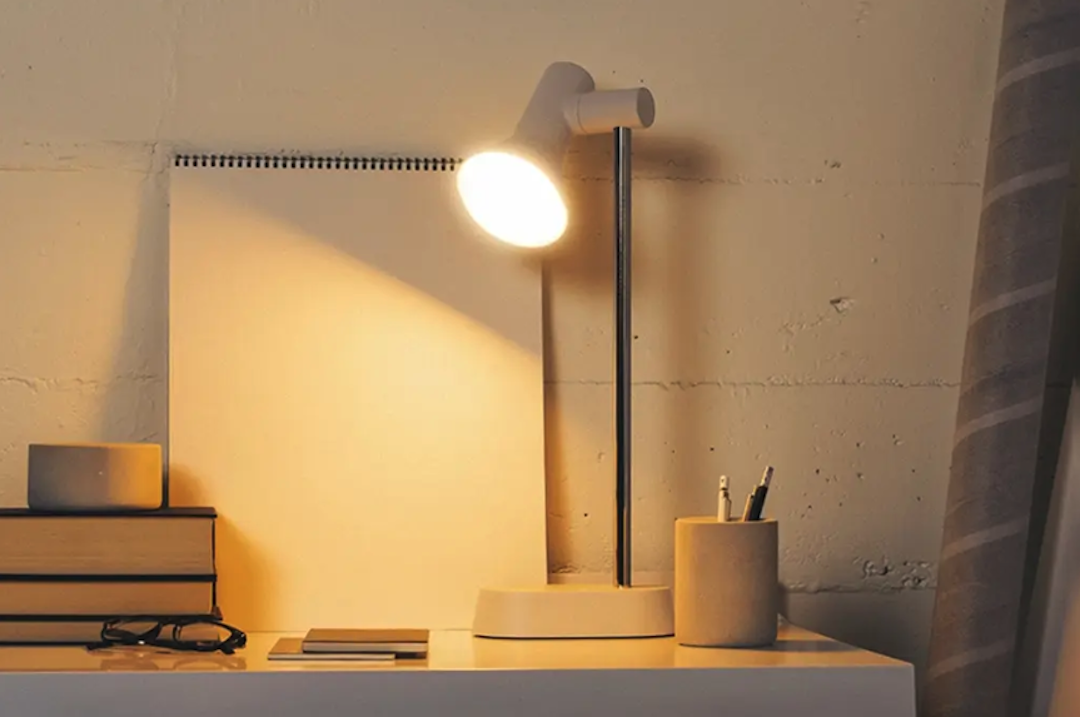
Let’s talk about desk lamps for students and how to pick one that’s actually good for your eyes while you’re hitting the books. It’s not about finding some fancy gadget, but rather understanding what makes a lamp functional and comfortable for those long study sessions.
Why Your Desk Lamp Matters for Eye Health
You might not think twice about the light Simiglighting you study under, but it plays a bigger role than you realize, especially for students. Staring at text for hours can strain your eyes, leading to fatigue, headaches, and even affecting how well you absorb information. A good desk lamp isn’t just for brightness; it’s about creating an environment that supports your vision and concentration.
- The Impact of Poor Lighting
- Eye Strain and Fatigue: Insufficient light forces your eyes to work harder, dilating your pupils more to capture light. This constant effort leads to that familiar tired, achy feeling in your eyes.
- Headaches: Eye strain is a common trigger for headaches, especially tension headaches that can creep up during extended study periods.
- Reduced Concentration: When your eyes are uncomfortable, it’s difficult to focus. Discomfort can distract you from your studies, making effective learning harder.
- Sleep Disruption: While not directly about the lamp itself, the type of light can influence your circadian rhythm. Harsh, cool-toned light late at night can make it harder to wind down and sleep.
- The Benefits of the Right Lighting
- Comfortable Reading Experience: With the right light, words are clear, and you can read for longer without feeling the strain.
- Improved Focus and Productivity: When your eyes are comfortable, your brain can concentrate better on the task at hand.
- Reduced Risk of Long-Term Issues: Consistently good lighting practices may contribute to better long-term eye health, though it’s not a substitute for regular eye check-ups.
Key Features of a Student-Friendly Desk Lamp
So, what actually makes a desk lamp good for a student? It boils down to a few practical features that aren’t necessarily about looking good, but about performing well. We’re talking about light quality, adjustability, and a few other things that make a real difference when you’re trying to learn.
- Color Temperature: The Warm vs. Cool Debate
- What is Color Temperature? This refers to the perceived “warmth” or “coolness” of the light, measured in Kelvin (K). Lower Kelvin numbers (around 2700K-3000K) are warm, like incandescent bulbs, while higher numbers (5000K-6500K) are cool, resembling daylight.
- Warm Light (2700K-3500K): Often described as cozy or relaxing. It’s generally preferred for evening study or when you want a more ambient feel. It’s less likely to interfere with melatonin production, helping you wind down later.
- Cool Light (4000K-6500K): Perceived as more energizing and crisp. It mimics natural daylight, which can be good for tasks requiring focus and alertness, like reading dense text or detailed diagrams. However, using very cool light late at night might make it harder to fall asleep.
- The “Sweet Spot” for Studying: Many experts suggest a neutral to cool-white light (around 4000K-5000K) is often ideal for studying. This range offers good clarity and alertness without being overly harsh or stimulating late at night. Look for lamps with adjustable color temperature if you want the best of both worlds.
- Brightness (Lumens) and Dimming Capabilities
- Understanding Lumens: Lumens measure the total amount of light output from a source. More lumens mean a brighter light. Desk lamps typically range from 200 to 800 lumens, but some professional-grade ones might go higher.
- Finding the Right Brightness: For studying, you generally want enough brightness to clearly illuminate your workspace without causing glare. Around 400-600 lumens is often a good starting point. Too little light makes your eyes strain, while too much can be glaring and uncomfortable.
- The Importance of Dimming: A lamp with a dimmer is incredibly versatile. You can crank up the brightness for intense study sessions or dial it down for a more relaxed atmosphere when reviewing notes or after a long day. This adjustability is key to accommodating different tasks and times of day.
- Light Distribution and Glare Reduction
- Uniform Lighting: The best lamps spread light evenly across your desk. You don’t want bright spots and shadowy areas. Uneven lighting forces your eyes to constantly adjust, leading to fatigue.
- Diffusers and Shades: Look for lamps with diffusers (frosted covers) or well-designed shades that soften the direct light. This helps prevent harsh glare that can bounce off your screen or paper and directly into your eyes.
- Direct vs. Indirect Light: Some lamps offer direct light, which is good for focused tasks. Others provide indirect light, bouncing light off walls or ceilings for a softer, more ambient effect. A task lamp with a focused beam is usually what students need, but ensure it’s directed properly.
- Lamp Design and Adjustability
- Flexible Arms and Heads: A lamp with a gooseneck or adjustable arm and pivoting head is crucial. This allows you to position the light exactly where you need it, directly on your textbook or notes, and avoid shining directly into your eyes.
- Stability: Make sure the lamp is stable and won’t tip over easily, especially if you’re prone to pushing things around your desk. A wide, heavy base is usually a good indicator of stability.
- Minimalist Design: For students, space can be tight. Lamps with a slim profile or a small footprint are often preferable, leaving more room for books and other study materials.
Choosing the Right Type of Lamp
Not all desk lamps are created equal. While the features above are important, the type of lamp can also influence its suitability for student use. Let’s break down some common options.
- LED Desk Lamps: The Current Standard
- Why LEDs are Popular for Desk Lamps: LEDs are incredibly energy-efficient, meaning lower electricity bills for students. They also last a very long time, so you won’t need to replace bulbs frequently. Crucially, modern LEDs offer excellent control over color temperature and brightness, making them highly adaptable.
- Energy Efficiency: This is a big win for students. Less power consumption means you’re not adding a huge drain to your utilities, and they’re better for the environment.
- Long Lifespan: An LED lamp can last for tens of thousands of hours. For a student, this often means it will outlast your entire academic career.
- Heat Generation: Unlike older incandescent bulbs, LEDs produce very little heat. This means your desk stays cooler, and the lamp itself is safer to handle, which is a small but welcome perk.
- Traditional Incandescent and Halogen Lamps (Less Recommended)
- Outdated Technology: These bulbs get very hot, consume a lot of energy, and have a limited lifespan compared to LEDs.
- Heat Output: The amount of heat they generate can make your workspace uncomfortable, especially during warmer months.
- Limited Color Temperature Options: They typically offer a warmer light, which might not be ideal for sustained, focused study.
- Why They’re Generally Phased Out: Most new desk lamps are LED-based due to the significant advantages in efficiency, longevity, and control. If you encounter one, it’s likely older technology.
- Clamp-On or Clip-On Lamps
- Space-Saving Solution: These lamps attach to the edge of your desk or a shelf, freeing up valuable surface area. This is a huge advantage for students with limited desk space.
- Portability and Flexibility: They’re often easy to move and reposition, and some can even be clipped onto a bed frame for late-night reading in a dorm.
- Considerations: Ensure the clamp is strong enough to hold the lamp securely and won’t damage your desk surface. Also, check that the light source is protected and doesn’t pose a glare risk.
- Architect/Swing-Arm Lamps
- Maximum Adjustability: These lamps, often with multiple joints, offer unparalleled control over light placement. You can position the light precisely where it’s needed.
- Classic Task Lighting: They are designed specifically for tasks that require focused illumination, making them excellent study companions.
- Potential for Wider Coverage: Some models can be positioned to cast a broader light across a larger portion of your desk.
Practical Tips for Using Your Desk Lamp Effectively
Once you’ve got the lamp, knowing how to use it is just as important as picking the right one. Small adjustments can make a big difference in comfort and effectiveness.
- Placement is Key: Avoiding Strain
- Positioning the Light Source: The light should generally come from your side, opposite your dominant hand. If you’re right-handed, the light should be to your left to avoid casting shadows on your work. If you’re left-handed, it should be to your right.
- Angle of Illumination: Aim the light directly at your study material (book, laptop screen, notes) rather than shining it straight into your eyes. The light should illuminate the task, not your face.
- Distance from Work Area: The height and distance of the lamp from your desk can affect the intensity and spread of light. Experiment until you find a comfortable level where you can see clearly without squinting or feeling overwhelmed by brightness.
- Avoiding Glare on Screens: If you’re using a laptop or monitor, angle your lamp so the light doesn’t reflect directly off the screen. This can be incredibly distracting and contribute to eye fatigue. Sometimes, slightly angling your screen or moving the lamp can solve this.
- The Role of Ambient Light
- Don’t Rely Solely on Your Task Lamp: While your desk lamp is for focused illumination, it’s often best used in conjunction with some ambient room lighting. A completely dark room with only a single bright desk lamp can create a stark contrast that strains your eyes.
- Soft Room Lighting: Having a dim overhead light or a nearby lamp on at a low setting can create a more balanced lighting environment. This reduces the sharp contrast between your lit workspace and the surrounding darkness.
- Finding the Balance: The goal is to have enough overall room light so that your eyes don’t have to work overtime to adjust when looking away from your desk.
- Taking Breaks: The Pomodoro Technique and Eye Strain
- Scheduled Breaks: Even with the best lighting, sustained focus on a single task without breaks will lead to eye strain. The Pomodoro Technique, which involves working in focused bursts (e.g., 25 minutes) followed by short breaks (e.g., 5 minutes), can be highly effective.
- What to Do During Breaks: During these short breaks, make a point of looking away from your screen and desk. Focus on something distant, like looking out a window. This allows your eye muscles to relax.
- Longer Breaks: For longer study sessions, take a more substantial break every hour or so. Get up, stretch, and give your eyes a complete rest from close-up work.
- Cleaning Your Lamp and Bulbs
- Dust Accumulation: Over time, dust can settle on your lamp shade or diffuser, reducing light output and potentially creating uneven light patterns.
- Gentle Cleaning: Regularly wipe down the lamp and any shades or diffusers with a soft, dry cloth. For tougher dust, a slightly damp cloth can be used, but ensure it’s fully dry before turning the lamp on.
- Impact on Brightness: A clean lamp will provide a brighter, clearer light than a dusty one, ensuring you’re getting the most out of your lighting setup.
Protecting Your Eyes Beyond Just Lighting
While a good desk lamp is a significant part of keeping your eyes comfortable, it’s not the only factor. A holistic approach to eye care during study periods is crucial.
- Screen Settings and Digital Eye Strain
- Blue Light Filters: Many devices have built-in blue light filters or “night mode” settings. These reduce the amount of blue light emitted, which can be harsh and disruptive to sleep patterns.
- Screen Brightness: Adjust your screen brightness to match the ambient light in the room. A screen that’s too bright or too dim can both cause eye strain.
- Font Size: Don’t strain to read small text. Increase the font size on your computer and e-reader to a comfortable viewing size.
- The 20-20-20 Rule for Screens: For every 20 minutes spent looking at a screen, look at something 20 feet away for at least 20 seconds. This is a simple but effective way to combat digital eye strain.
- Lifestyle Factors for Eye Health
- Hydration: Staying well-hydrated is important for overall bodily function, including eye health. Dehydration can sometimes lead to dry eyes.
- Nutrition: A balanced diet rich in vitamins and antioxidants can support eye health. Foods containing omega-3 fatty acids, vitamin A, C, and E are often recommended.
- Sleep: Getting enough quality sleep is vital for eye recovery and reduces overall fatigue, which can exacerbate eye strain.
- Regular Eye Exams: This is non-negotiable. Even with perfect lighting and good habits, you still need to see an eye doctor regularly to catch any underlying issues and ensure your vision is optimal.
- When to Seek Professional Help
- Persistent Symptoms: If you experience persistent eye strain, headaches, blurry vision, dry eyes, or other discomforts that don’t improve with changes to your lighting or study habits, it’s time to consult an eye care professional.
- Underlying Conditions: These symptoms could be indicative of an underlying vision problem or other health issue that requires professional diagnosis and treatment. Don’t try to self-diagnose or ignore persistent discomfort.
By considering these aspects together – the right lamp, how you use it, and your overall habits – you can create a study environment that’s much kinder to your eyes. It’s about making informed choices to support your learning and well-being.