

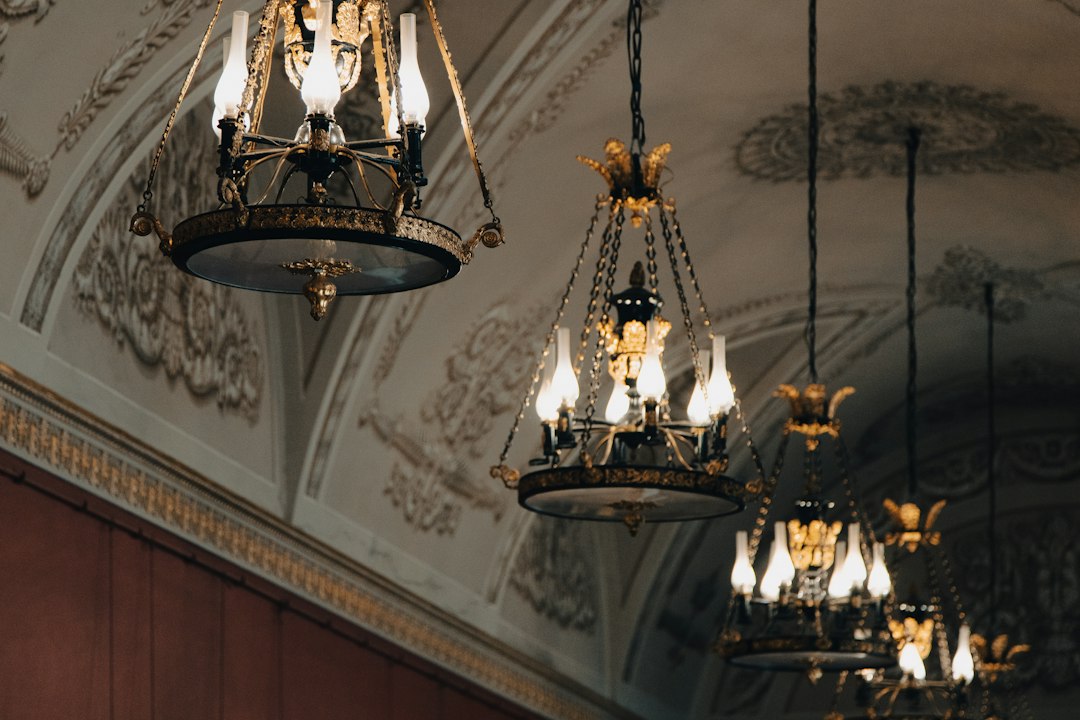
So, you’re curious about creating that quintessential Georgian-inspired candlelit dining experience? The short answer is: it’s all about layering light, focusing on warmth, and embracing the inherent charm of flickering flames, while thoughtfully incorporating modern safety and practical considerations. It’s less about historical accuracy down to the last detail and more about capturing the feeling of that era – elegant, intimate, and a little bit dramatic.
There’s something undeniably captivating about the soft glow of candlelight, especially when we think of historical periods. The Georgian era, known for its refined tastes and burgeoning social gatherings, understood this well. They didn’t have electric lights, so candles weren’t just decorative; they were essential.
For us, today, it’s about recreating that ambiance. We’re not trying to live without electricity, but rather to infuse our dining experiences with a sense of occasion, intimacy, and a touch of timeless romance. It’s a wonderful way to slow down, engage with your guests, and make even a simple meal feel special.
Setting the Stage: Beyond Just Candles
Before you even light a wick, think about the overall environment. Georgian dining wasn’t just about the light; it was about the room. While we might not all have grand dining rooms, we can borrow elements of their approach to create a similar feel.
The Power of Paint and Textiles
Darker, richer wall colors like deep greens, blues, or even a soft grey can absorb light beautifully, making the candlelight feel more intense and intimate. If you have lighter walls, consider heavy drapes or even strategically placed tapestries or large pieces of art to add depth and texture.
Natural fibers like linen tablecloths, velvet napkins, or even a simple wool throw draped over a chair can add to the tactile richness of the scene, reflecting the soft light in interesting ways and making the space feel more inviting.
Mirror, Mirror, on the Wall
Georgians loved mirrors, and for good reason. They’re fantastic for amplifying light. A well-placed mirror opposite a window or a cluster of candles will bounce that warm glow around the room, making it feel brighter and more expansive, even with dim lighting. Consider ornate, gilded frames for an extra touch of period elegance.
The Stars of the Show: Candle Types and Placement
This is where the magic really happens. Not all candles are created equal for this particular aesthetic. Think about variety in height, size, and material.
Taper Candles: The Classic Choice
These are the quintessential Georgian candle. Tall, elegant, and slender, they provide a lovely upward glow.
- Candlesticks: Invest in good quality candlesticks. Silver, brass, pewter, or even dark wood work wonderfully. Look for varying heights to create visual interest. A candelabra, of course, is the ultimate statement piece for a grand table.
- Placement: Place them strategically along the center of your table. For a smaller table, one pair might suffice. For a longer table, aim for groups of three or five, spaced evenly, ensuring they don’t block guests’ views of each other.
- Safety First: Always ensure tapers are firmly seated in their holders and away from anything flammable. Dripless varieties are a good investment for your tablecloth.
Pillar Candles: Robust and Reliable
Pillar candles offer a wider, more stable flame and a longer burn time, making them excellent for ambient light.
- Holders and Stands: Use substantial pillar candle holders made of metal, ceramic, or glass. You can place them on raised stands or directly on the table.
- Varying Heights: Group pillars of different heights together on a decorative tray or a wooden board to create a mini-display with varied light levels.
- Consider Scent: While unscented is generally preferred for dining, a very subtle, natural scent like beeswax or a hint of cedar could work in a larger room, but always test it first to ensure it doesn’t interfere with the food aromas.
Tealights and Votives: Little Pockets of Light
These smaller candles are excellent for filling in gaps, adding sparkle, and creating a sense of depth.
- Votive Holders: Always use proper votive holders, as these candles are designed to liquefy. Frosted, mercury glass, or clear glass holders will diffuse the light beautifully.
- Scattering: Scatter them around the periphery of the dining area – on sideboards, mantelpieces, windowsills, or even on shelves. This creates a soft glow that extends beyond the immediate dining table.
- Small Clusters: Grouping three to five votives together can create a more substantial light source than a single one.
Beyond Wax: Battery-Operated Options
While purists might scoff, high-quality battery-operated LED candles have come a long way. They offer a safe, flameless alternative, especially useful in certain situations.
- When to Use Them: Great for areas where an open flame is risky (near drapes, in high-traffic areas, or if you have pets/children). They’re also perfect for longer events where you don’t want to worry about candles burning down.
- Look for Realism: Seek out options with realistic flickering flames and warm-toned LED lights. Some even have a wax exterior, which adds to the authenticity.
- Strategic Blending: You can discreetly mix them in with real candles. For instance, use real tapers on the table, but use LED pillars on a high shelf.
The Art of Layering Light
This is the secret to a truly magical Georgian-inspired setting. Don’t rely on just one type of light source or one placement strategy.
Table-Level Brilliance
The dining table itself should be the focal point of your candle display. This is where most of your direct, functional light will come from.
- Central Arrangement: A classic candelabra or a cluster of varied height candlesticks in the center.
- Perimeter Sparkle: Small votives or tealights dotted around the table, perhaps tucked between serving dishes, or along the edge of the tablecloth.
- Consider Reflective Surfaces: Use polished silver serving dishes or platters that will catch and reflect the candlelight, adding extra shimmer.
Ambient Glow: Beyond the Table
Think about creating a soft wash of light that makes the entire room feel inviting, not just the tabletop.
- Mantelpiece Magic: If you have a fireplace, load the mantel with candles – pillars, votives, and perhaps a small candelabra. The architectural detail often makes this a natural focal point.
- Sideboard Softness: A sideboard or console table is another excellent spot for a grouping of candles, perhaps with a mirror behind them.
- Window Ledge Warmth: A few candles on a windowsill, especially if they can be seen from outside, add to the charm. Ensure curtains are well away from any flames.
Dimming the Electric Lights
This is crucial. For true Georgian ambiance, you need to turn down (or off!) your overhead electric lights.
- Dimmers are Your Friend: If you have dimmer switches, turn your main lights down to their lowest setting, or just enough to navigate safely.
- Accent Lighting: If you have wall sconces or lamps with very soft, warm bulbs, these can complement the candles rather than competing with them. Avoid bright, stark task lighting.
Practical Considerations and Safety
While aiming for beauty, we can’t ignore practicality and safety. This isn’t the 18th century, and we have modern sensibilities (and fire codes!).
Ventilation and Air Quality
Candles consume oxygen and produce soot, especially if they are inexpensive or poorly made.
- Good Quality Wax: Invest in beeswax or soy candles for a cleaner burn and less soot. Paraffin can be fine, but often produces more smoke.
- Air Circulation: Ensure the room isn’t completely sealed. A little air circulation will help with air quality, but avoid drafts that make flames flicker erratically and increase soot production.
- Snuffers: Always use a candle snuffer to extinguish flames cleanly, minimizing smoke and wax splatter.
Fire Safety: Non-Negotiable
This is paramount. Open flames require constant vigilance.
- Stable Placement: Ensure all candles are in sturdy, non-combustible holders and placed on stable surfaces. No wobbly candlesticks!
- Clearance: Keep flames well away from curtains, drapes, paper decorations, dried flowers, and anything else that could catch fire. A good rule of thumb is at least 12 inches of clear space above and around the flame.
- Never Leave Unattended: This is the golden rule. If you leave the room, even for a moment, extinguish the candles.
- Children and Pets: Be extra mindful if you have children or pets. Consider battery-operated candles in areas they can access, or place real candles well out of reach.
- Fire Extinguisher: It’s always a good idea to know where your fire extinguisher is, just in case.
Wax Drips and Cleanup
While a little wax can add to the rustic charm, excessive dripping is a nuisance.
- Drip-Catchers: Use bobeches (drip catchers) on candlesticks if your candles are prone to dripping.
- Protective Surfaces: Place candles on trays, plates, or protective mats, especially on antique furniture or tablecloths you don’t want to stain.
- Easy Removal: For dried wax on fabric, placing ice on it to harden it, then gently scraping it off, often works. For hard surfaces, gentle heat (like from a hairdryer) can soften it for wiping.
Enhancing the Experience: Finishing Touches
Once your lighting is set, consider a few more details to truly transport your guests.
Music and Ambiance
Think about period-appropriate music, perhaps classical string quartets, harpsichord pieces, or even very subtle, instrumental folk music. Keep the volume low; it should be background, not a distraction.
Tableware and Linens
While not strictly lighting, the way your tableware interacts with the candlelight is key.
- Silverware: Polished silver cutlery will gleam beautifully in the soft light.
- Crystal and Glass: Crystal glasses will refract the candlelight, creating stunning sparkle on your table. Even simple clear glassware will catch the light charmingly.
- White Linens: Crisp white tablecloths and napkins can create a striking contrast and help reflect the warm light upwards.
Floral Arrangements and Decor
Keep floral arrangements low so they don’t block views or obscure the candlelight. Greenery, ivy, or simple arrangements of seasonal flowers in understated vases work well. Avoid anything too brightly colored or overly modern. Natural elements like pinecones, branches, or bowls of fruit can also add to the organic, historical feel.
Creating a Georgian-inspired candlelit dining experience is a delightful project that combines aesthetics with a touch of historical appreciation. It’s about crafting an atmosphere where conversations flow easily, food tastes richer, and the simple act of sharing a meal becomes truly memorable. By carefully selecting your candles, layering your light, prioritizing safety, and adding those thoughtful finishing touches, you can bring a warm, inviting glow to your own dining table.