

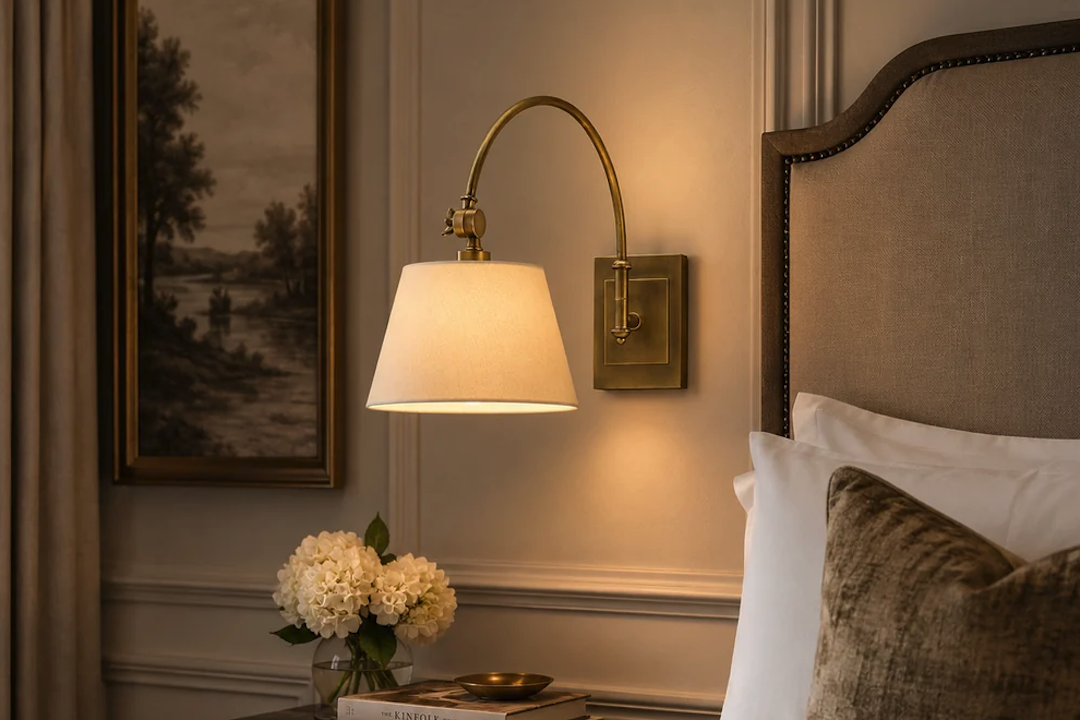
When you picture an Edwardian bedroom, what comes to mind? Probably the rich fabrics, the elaborate furniture, and a sense of refined comfort. But what about the light? Edwardian bedrooms weren’t just about opulent decor; they were also about creating a specific atmosphere, and lighting played a starring role. If you’re curious about how to capture that Edwardian feel in your own bedroom lighting, you’re in the right place.
The Essence of Edwardian Bedroom Lighting
Edwardian bedroom lighting wasn’t about harsh, stark illumination. Think softer, warmer, and more diffused light Hotedecor. The goal was to create a sanctuary – a place for rest, intimacy, and quiet indulgence. This era, roughly spanning from 1901 to 1910, saw a move away from purely functional lighting towards elements that enhanced the room’s aesthetic and provided a more comfortable ambiance. Key materials like silk and brass were central to achieving this, offering both visual appeal and a quality of light that felt luxurious and inviting.
Dominant Materials: Silk and Brass
The materials used in Edwardian lighting were as important as the design itself. They weren’t chosen just for their durability or cost, but for the way they interacted with light and contributed to the overall decorative scheme.
Silk: The Fabric of Softness
Silk was a prevalent choice for lampshades, and for good reason. Its natural sheen and subtle translucence allowed for a beautifully diffused glow, preventing any harsh glare.
Types of Silk Used
Edwardian lampshades often featured different weights and weaves of silk. Fine, almost sheer silks were used to create a delicate diffusion, while heavier silks might have been used for more substantial shades, sometimes even with embroidered or beaded embellishments. The texture of the silk itself contributed to the visual interest.
The Effect of Silk on Light
Silk’s inherent properties meant it could transform a direct light source into a soft, ambient radiance. This was crucial for creating the serene and relaxed atmosphere characteristic of Edwardian bedrooms. Instead of a single bright point, light would spread gently, bathing the room in a warm, inviting hue.
Brass: The Gleam of Elegance
Brass was the metal of choice for lamp bases and fixtures. Its warm, golden tone perfectly complemented the richness of Edwardian interiors and the softness of silk.
Finishes and Patinas
Brass wasn’t always left in a bright, polished state. Edwardian fixtures often featured a variety of patinas – aged, darkened, or even slightly verdigris-kissed finishes. These variations added depth and a sense of history, preventing the brass from appearing too flashy or modern. Polished brass was also used, but often in designs that were themselves quite ornate.
Craftsmanship and Detail
Edwardian brasswork was often characterized by intricate detailing. Think of hand-chased patterns, sculpted bases, and elegantly curved stems. These decorative elements were not just superficial; they were integral to the overall design, showcasing the era’s appreciation for skilled craftsmanship.
Common Lighting Fixtures in Edwardian Bedrooms
While the style was cohesive, the specific types of lighting varied depending on the room’s size, purpose, and the owner’s wealth.
Table Lamps: The Intimate Glow
Table lamps were perhaps the most common and versatile lighting source in an Edwardian bedroom. They provided localized light for reading or dressing and contributed significantly to the room’s ambiance.
Placement and Purpose
Typically placed on bedside tables, dressing tables, or console tables, these lamps were designed to be within easy reach. They served practical purposes like illuminating a book or a sewing project, but their primary role was often to create a soft, welcoming glow.
Design Elements of Table Lamps
Edwardian table lamps often featured a substantial base, frequently made of brass, with a decorative stem. The shade, almost invariably silk, was designed to be wide enough to diffuse the light effectively. Some shades might have been adorned with tassels or fringe, adding a touch of Victorian-era influence that was still present.
Wall Sconces: Adding Layers of Light
Wall sconces were used to supplement the general lighting and to add decorative accents. They provided a softer, more diffused light than a bare bulb and could be strategically placed to highlight artwork or architectural features.
Location and Function
Sconces were commonly found on walls flanking a fireplace, a bed, or a large mirror. They offered a gentle ambient light, particularly useful for creating a moodier atmosphere in the evenings.
Aesthetic Contributions of Sconces
Edwardian sconces often mirrored the material and stylistic themes of other fixtures in the room. Brass was the dominant metal, and the designs could range from simple, elegant curves to more elaborate, sculpted forms, often topped with small, silk-covered shades.
Pendant Lights and Chandeliers: The Grand Statement
While less common in smaller bedrooms, larger and more formal Edwardian bedrooms might have featured a central pendant light or even a small chandelier. These were reserved for rooms where a more dramatic statement was desired.
When They Were Used
These fixtures were typically found in the master bedroom of a grand house or in a bedroom used for entertaining or as a sitting room. They provided a more significant source of light but were still designed to be aesthetically pleasing.
Balancing Light and Decoration
Even in these more prominent fixtures, the emphasis remained on diffused and decorative light. Shades were still common, often made of fabric or frosted glass, and the metalwork, usually brass, would have been finely crafted and detailed.
The Quality of Light: Warmth and Diffusion
The defining characteristic of Edwardian bedroom lighting was the quality of light it produced. It was deliberately designed to be gentle and flattering.
Avoiding Glare
Direct, harsh light was considered undesirable in a bedroom. The use of shades, particularly those made from silk or frosted glass, was essential for softening the light and preventing uncomfortable glare.
Creating Ambiance
The goal was to create an inviting and relaxing atmosphere. Warm, yellowish light was preferred over cool, white light, as it was perceived as more comforting and conducive to rest. This warmth was inherent in the materials used, such as brass and silk, and was further enhanced by the choice of light bulbs.
Practical Considerations for Modern Edwardian-Inspired Lighting
Translating the essence of Edwardian lighting into a modern bedroom requires understanding the principles behind the original designs. It’s not about replicating every detail but about capturing the spirit.
Choosing the Right Fixtures
When selecting lighting for an Edwardian-inspired bedroom, look for fixtures that echo the period’s aesthetic. This means prioritizing brass finishes (consider aged or brushed brass for a more authentic look), and designs with elegant curves and detailing.
Replicas and Reproductions
Many lighting manufacturers offer reproductions or pieces inspired by Edwardian designs. These can be a great starting point, but always check the materials and quality.
Vintage Finds
Scouring antique shops and online marketplaces for genuine Edwardian or late Victorian brass lamps with silk shades can yield truly unique and authentic pieces. Be prepared to clean and potentially re-wire older fixtures for safety.
Selecting Lamp Shades
The lampshade is key to achieving the diffused Edwardian light. Silk shades are, of course, the ideal.
Silk and Silk-Effect Shades
Look for shades made from real silk or high-quality synthetic materials that mimic the drape and translucence of silk. Natural linen can also provide a beautiful diffused light, though it has a slightly different texture.
The Importance of Size and Shape
The shade should be proportionate to the lamp base and wide enough to cover the light bulb, directing light downwards and outwards rather than straight up. Bell-shaped or drum shades are often good choices.
Bulb Choice: The Final Touch
The type of light bulb you choose can significantly impact the ambiance.
Warm White LEDs
Opt for “warm white” LED bulbs. These offer energy efficiency while replicating the warm, yellowish tone of incandescent bulbs. Look for a color temperature of around 2700K.
Dimmers: Essential for Control
Dimmers are invaluable for creating the right mood. They allow you to adjust the intensity of the light, from a brighter setting for dressing to a very low, ambient glow for relaxation.
The Bedroom as a Sanctuary: Edwardian Principles for Today
Ultimately, Edwardian bedroom lighting was about creating a personal retreat. The focus was on comfort, beauty, and a sense of calm.
Layering Your Lighting
Don’t rely on a single overhead light. Layering different types of lighting – bedside lamps, wall sconces, and perhaps a decorative pendant – allows you to control the mood and create a more inviting space.
The Role of Color Temperature
As mentioned, warm lighting is crucial. Avoid cool, blue-toned lights that can feel sterile and unwelcoming in a bedroom.
Embracing Imperfection
Vintage and antique pieces often have a charming patina or slight imperfections that add character. Don’t be afraid of a brass fixture that isn’t perfectly polished or a silk shade that shows a bit of age. These elements contribute to the authentic feel.
By understanding the materials, the fixtures, and the underlying philosophy of Edwardian bedroom lighting, you can create a space that feels both timeless and deeply comfortable. It’s about bringing a touch of that refined elegance and serene atmosphere into your own personal haven.