

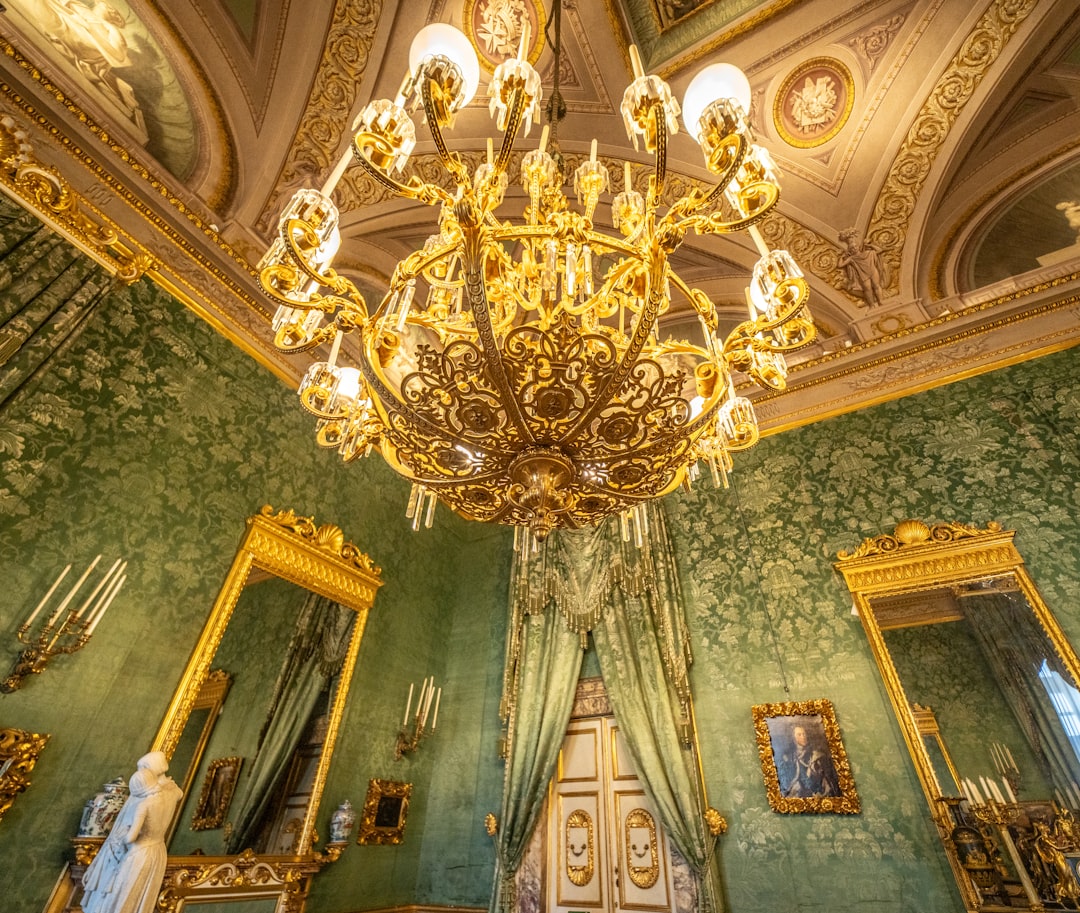
So, you’re wondering if you can mix a Victorian parlor lighting vibe with a modern chandelier? The short answer is a resounding yes! It’s absolutely possible to blend these two distinct styles, and when done thoughtfully, it can create a truly stunning and unique aesthetic in your home. The trick is understanding how to make them complement each other rather than clash.
You might be thinking, “Why would I want to mix something old-fashioned with something contemporary?” Well, there are several compelling reasons.
Adding Character and Depth
Modern interiors can sometimes feel a bit stark or lacking in personality. Introducing elements of Victorian design, especially lighting, can infuse a space with a sense of history, romance, and intricate detail. It’s about creating a layered look that feels collected and lived-in, rather than simply decorated.
Highlighting Contrasts
The beauty of blending styles often lies in the contrast. A sleek, minimalist modern chandelier Towali positioned above a grouping of rich, ornate Victorian-inspired lamps can create a striking visual tension. This contrast draws the eye and makes both elements stand out more. It’s like putting a rough texture next to a smooth one – both become more noticeable.
Personalizing Your Space
Ultimately, your home should reflect you. If you appreciate the elegance of Victorian design but also love the clean lines and functionality of modern aesthetics, why choose? Blending allows you to curate a space that truly resonates with your diverse tastes. It’s a way to tell a story about your personal style.
Understanding the Core Elements
Before you start shopping, it’s helpful to understand the defining characteristics of each style when it comes to lighting. This will help you make informed decisions about what will work well together.
The Victorian Parlor Lighting Aesthetic
Think warmth, intimacy, and intricate details. Victorian lighting wasn’t just about illumination; it was about ambiance and ornamentation.
Materials and Finishes
You’ll often see brass, bronze, ornate cast iron, and sometimes even silver plating. Glass shades were common, ranging from frosted and etched patterns to stained glass, often in warm, muted colors. Fabric shades, usually silk or velvet, were also popular, often adorned with fringe or beading.
Types of Fixtures
- Gasoliers: Originally for gas, these often had multiple arms and intricate metalwork. Today, they’re typically electrified.
- Oil Lamps: Both table and hanging versions, known for their decorative bases and glass chimneys.
- Sconces: Wall-mounted fixtures, often with ornate backplates and small shades.
- Table Lamps: Characterized by heavy, decorative bases and often fabric shades.
- Floor Lamps: Similar to table lamps but taller, providing ambient light.
Light Quality
Victorian lighting tended to be softer, warmer, and more diffused. Think multiple smaller light sources rather than one bright overhead light. The goal was to create a cozy, inviting atmosphere.
The Modern Chandelier Aesthetic
In contrast, modern chandeliers are all about clean lines, geometric shapes, and often, a sense of sleekness.
Materials and Finishes
Common materials include polished chrome, brushed nickel, matte black, clear glass, acrylic, and sometimes unadorned brass or copper. Simplicity is key, letting the form speak for itself.
Types of Fixtures
- Geometric Shapes: Spheres, cubes, linear designs, or abstract forms.
- Minimalist Designs: Often featuring exposed bulbs or very simple shades.
- Industrial Influence: Sometimes incorporating elements like Edison bulbs or pipe-like structures.
- Sputnik Designs: A classic mid-century modern look, often with multiple arms radiating from a central sphere.
- Cluster Pendants: Multiple pendant lights grouped together.
Light Quality
Modern chandeliers can vary from providing bright, focused light to more ambient, diffused light, depending on the design and bulb choice. They often aim for functionality alongside aesthetics.
Key Principles for a Successful Blend
Now for the practical part. How do you actually put these two styles together without your room looking like a jumbled mess?
The “One Dominant, One Supporting” Rule
This is a great starting point. Decide which style you want to be the primary focus in the room.
Modern Chandelier as the Star
If your modern chandelier is a bold statement piece, let it shine. Your Victorian parlor lighting elements (table lamps, sconces) should be more subtle, perhaps with simpler lines or less ornate detailing. They should complement the chandelier without competing for attention. For example, a sleek, multi-tier modern chandelier paired with some elegant, single-bulb Victorian-style sconces.
Victorian as the Foundation
Conversely, if you have a significant collection of beautiful Victorian lamps, your modern chandelier might be a simpler, more understated design. It could provide ambient light without stealing the show from your antique pieces. Perhaps a classic crystal Victorian chandelier flanked by contemporary floor lamps with clean lines and simple drum shades.
Consider Scale and Proportion
This is crucial for any successful design, but especially when mixing styles.
Matching Grandeur
If your modern chandelier is large and dramatic, smaller, delicate Victorian lamps might get lost. You’d want to choose Victorian pieces that have a bit more presence or group them strategically to create impact.
Avoiding Overwhelm
Don’t overdo it. A single, impressive modern chandelier can often be enough of a statement in the overhead category. Then, layer in your Victorian accent lighting. Too many “grand” fixtures will make the room feel cluttered and busy.
Focus on Shared Elements (or Deliberate Contrast)
Finding common ground can help bridge the gap between styles.
Unifying Through Color or Finish
Perhaps both your modern chandelier and your Victorian lamps incorporate gold tones, albeit in different finishes (e.g., polished brass on the chandelier, antiqued brass on the lamps). Or maybe you choose fixtures where both have clear glass elements. This creates a visual thread that ties them together.
Purposeful Material Contrast
Sometimes, the contrast itself is the point. A highly polished chrome modern chandelier next to an oil lamp with a rich, dark bronze finish can be incredibly striking. The key is that the contrast feels intentional, not accidental.
Layering Light Effectively
Both Victorian and modern lighting principles benefit from layered lighting.
Ambient Lighting
This is your general illumination, often provided by your main chandelier or ceiling fixture. It sets the overall mood.
Task Lighting
This is for specific activities, like reading. Victorian table lamps or modern reading lamps fit this bill.
Accent Lighting
This highlights specific features, like artwork or architectural details. Small Victorian picture lights or modern track lighting can serve this purpose. By ensuring you have all three types, you create a well-lit, functional, and aesthetically pleasing space, regardless of the individual style of each fixture.
Practical Steps to Achieve the Look
Ready to get started? Here’s a step-by-step guide to help you plan your blend.
Assess Your Existing Space
Before you buy anything, take stock of what you already have.
Room Size and Ceiling Height
A grand chandelier needs high ceilings and a good-sized room. Don’t force a huge piece into a small space. Conversely, a tiny chandelier will look lost in a cavernous room. Victorian lamps can be more flexible here, as many are smaller and designed for tables or walls.
Current Furniture Style
Are your existing furnishings more modern, traditional, or eclectic? This will influence whether your lighting blend leans more towards one style or the other. If your furniture is very minimalist, a touch more Victorian elegance in your lighting can soften the space.
Natural Light
How much natural light does the room get? This impacts how much artificial light you’ll need and how bright it should be. A naturally dark room might benefit from more lighting elements, allowing for more stylistic expression.
Define Your “Blend Ratio”
Decide how much of each style you want.
70/30 or 60/40 Split
You might decide you want your room to feel 70% modern with 30% Victorian accents, or vice versa. This ratio will guide your choices for the dominant pieces and the supporting elements. If you go for a 50/50 split, ensure the pieces chosen strongly complement each other to avoid a disjointed feel.
Starting with One Key Piece
Often, you’ll have one piece you absolutely love – perhaps a family heirloom Victorian lamp or a stunning modern chandelier you’ve eyed for ages. Let that piece be your anchor, and build around it.
Curate Your Lighting Selection
This is where the fun begins, but also where thoughtful choices are essential.
The Chandelier Choice
- Modern Chandelier: Look for clean lines, interesting materials (polished metals, clear glass, acrylic), and perhaps a sculptural quality. Consider Sputnik designs, linear chandeliers, or minimalist sphere clusters. Think about how its silhouette will contrast or harmonize with the curves and intricacies of Victorian elements.
- Victorian Chandelier (as an alternative main light): If you opt for a Victorian chandelier as your main light, choose one that isn’t overly fussy. Crystal chandeliers with clean lines can bridge the gap, or consider one with more understated brass or bronze work.
Accent Lighting – Where Victorian Shines
- Table Lamps: This is a perfect place for Victorian influence. Look for ornate bases (brass, bronze, ceramic) with decorative shades. A pleated silk shade or an etched glass shade can be beautiful.
- Floor Lamps: A well-placed Victorian-style floor lamp can provide soft, ambient light and a touch of elegance. Look for those with graceful curves and perhaps a fabric shade.
- Sconces: If you have wall space, Victorian-inspired sconces can add a lovely layer of light and historical charm. Choose those with simpler backplates if your modern chandelier is very bold, or more ornate ones if your chandelier is understated.
Incorporating Modern Accent Lighting (if needed)
Don’t be afraid to add a modern floor lamp or sleek table lamp if your room needs more task or accent lighting and your Victorian pieces aren’t cutting it. Just ensure its design is simple and doesn’t compete with the Victorian pieces. A minimalist black or chrome arc lamp, for example, can sit nicely alongside a detailed Victorian table lamp.
Don’t Forget the Bulbs!
This often-overlooked detail can make or break your lighting scheme.
Color Temperature
For a warm, inviting Victorian feel, stick to “warm white” (2700K-3000K) bulbs. This applies to both your Victorian and modern fixtures. A modern chandelier with stark, cool white (4000K+) light can feel jarring against a Victorian backdrop.
Dimmer Switches
Install dimmer switches on all your lighting circuits. This allows you to adjust the ambiance to suit different moods and times of day, making your blended lighting even more versatile. You can have your modern chandelier bright for task work, then dim it to a soft glow that harmonizes with your Victorian lamps for an evening setting.
Bulb Aesthetics
For modern chandeliers with exposed bulbs (like Sputniks or industrial styles), choose aesthetically pleasing bulbs like Edison bulbs or clear globes. For Victorian lamps with shades, the bulb’s appearance is less critical, but ensure it provides the right amount of diffused light.
Common Pitfalls to Avoid
Even with the best intentions, it’s easy to make mistakes when blending styles.
The “Museum” Effect
Don’t make your room feel like a historical exhibit where everything is precious and untouchable. The goal is a liveable, welcoming space. A few key Victorian pieces are more effective than trying to replicate an entire Victorian parlor.
Too Many Competing Focal Points
If every single light fixture is a “statement piece,” your room will feel chaotic. Choose one or two true stars, and let the others play supporting roles.
Ignoring the Rest of the Room
Lighting doesn’t exist in a vacuum. Consider how your blended lighting interacts with your furniture, wall colors, and decor. A highly ornate Victorian lamp might look out of place if the rest of your room is ultra-minimalist and devoid of any other traditional touches. A few other subtle nods to Victorian style – a patterned rug, a velvet throw, or an antique mirror – can help tie the lighting in.
Disregarding Functionality
While aesthetics are important, lighting needs to work. Ensure you have enough light for your activities. A beautiful antique lamp that provides almost no illumination isn’t practical.
Final Thoughts: Embrace the Eclectic
Blending Victorian parlor lighting with a modern chandelier isn’t about perfectly matching styles; it’s about creating a cohesive yet diverse environment that celebrates both. It’s an opportunity to create a space that feels deeply personal, sophisticated, and undeniably stylish.
Don’t be afraid to experiment a little, trust your instincts, and most importantly, have fun with the process. When done right, this blend can transform your home into a truly captivating and unique haven. The contrast between old-world charm and contemporary sleekness can be incredibly powerful, making your lighting not just functional, but a true design highlight.