

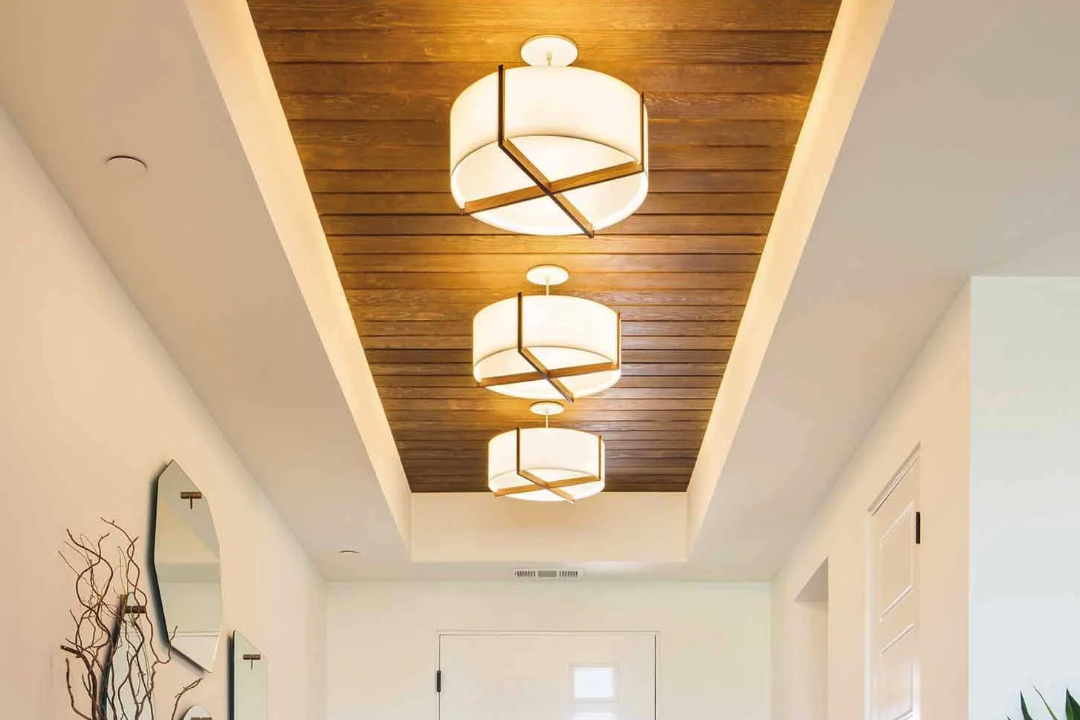
Thinking about giving your entryway an update? You’re probably wondering if a geometric glass ceiling lamp is a good idea. The short answer? Absolutely! It’s a fantastic way to bring in modern style, boost the light, and make a great first impression without a huge renovation.
Why a Geometric Glass Ceiling Lamp for Your Entryway?
Your entryway is the handshake of your home. It’s the first thing you and your guests see, and it sets the tone for the rest of your space. A geometric glass ceiling lamp Simiglighting is a smart choice for modernizing this crucial area for a few compelling reasons. It’s not just about throwing light around; it’s about making a statement, adding functionality, and genuinely enhancing the feel of your home.
A Touch of Modern Elegance
Geometric patterns are inherently modern. Think clean lines, defined shapes, and a sense of order. When you combine this with the material of glass, especially when it’s crafted into interesting geometric forms, you get a fixture that’s both artistic and functional. It’s a way to inject contemporary design without overwhelming the space.
Instead of a boring dome or a dated chandelier, a geometric design brings a visual element that’s appealing and sophisticated. It suggests a thoughtful approach to decor, even in a high-traffic area.
Illuminating Your Welcome
Entryways often suffer from being too dim. Whether it’s a small foyer or a larger landing, a good light source is essential. Geometric glass ceiling lamps are designed to distribute light effectively. The glass can refract and diffuse the light beautifully, creating a warm and inviting glow rather than harsh spotlights.
This isn’t just about illumination; it’s about creating an atmosphere. A well-lit entryway feels safer, more welcoming, and more spacious.
More Than Just a Light Fixture
Let’s be honest, a ceiling lamp is often just seen as a utility. But with a geometric glass design, it transcends that. It becomes a piece of decor in its own right. The interplay of light and shadow through the geometric patterns can create interesting visual effects on your walls and ceiling, adding depth and personality.
It’s a conversation starter. People notice unique lighting. It’s a simple yet impactful way to elevate your home’s aesthetic.
The Appeal of Geometric Shapes
The beauty of geometric design lies in its universality. Circles, squares, triangles, hexagons – these fundamental shapes have been visually appealing for centuries. In modern design, they are used to create order, balance, and visual interest.
Structure and Symmetry
Geometric patterns often incorporate principles of structure and symmetry. This translates into lighting fixtures that feel balanced and intentional. They aren’t just random shapes; they are carefully composed to create a pleasing visual experience.
In an entryway, this sense of order can be very grounding. It signals a well-maintained and thoughtful home.
Visual Intrigue
The angles and lines of geometric glass can catch the light in dynamic ways. This isn’t just about bright light; it’s about how the light interacts with the material. You get subtle reflections, interesting refractions, and sometimes even a play of colors depending on the type of glass.
It’s a subtle artistry that adds a layer of sophistication to your entryway. It’s the kind of detail that makes a difference.
Choosing the Right Geometric Glass for Your Entryway
Not all geometric glass is created equal, and the type you choose will have a big impact on the overall look and feel of your entryway. Think about what kind of vibe you’re going for and how much light you need.
Clear Glass: Bright and Airy
If your entryway is on the smaller side or tends to be a bit dim, clear geometric glass is a fantastic option. It allows light to pass through with minimal obstruction, maximizing the brightness. This can make a small space feel larger and more open.
- Pros: Maximizes light output, creates a bright and airy feel, works well in smaller spaces.
- Cons: Can be a bit too stark if you prefer softer lighting, doesn’t diffuse light as much.
Frosted or Etched Glass: Soft and Diffused
For a softer, more ambient light, frosted or etched geometric glass is the way to go. The texture of the glass diffuses the light, reducing glare and creating a warm, inviting glow. This is excellent for creating a cozy atmosphere.
- Pros: Softens light, reduces glare, creates a warm and inviting ambiance, can add a decorative texture.
- Cons: Reduces the overall brightness compared to clear glass, might require a higher wattage bulb to achieve desired brightness.
Colored or Tinted Glass: A Splash of Personality
If you want your entryway to have a bit more personality, consider geometric lamps with colored or tinted glass. This could be anything from a subtle amber tint to bold jewel tones. It’s a great way to add a pop of color and uniqueness.
- Pros: Adds a unique design element, can complement your existing decor, creates a specific mood.
- Cons: Can significantly affect the color and brightness of the light, might feel too bold for some tastes.
Textured or Patterned Glass: The Extra Layer
Beyond the finish, the glass itself can have textures or patterns integrated into the geometric design. Think ridged glass, bubble glass, or even glass with a subtle wave. This adds another layer of visual interest.
- Pros: Creates dynamic light effects, adds tactile and visual interest, unique design possibilities.
- Cons: Can be more expensive, the texture might trap dust more easily.
Integrating the Geometric Glass Ceiling Lamp into Your Entryway Design
So, you’ve picked out a gorgeous geometric glass ceiling lamp. Now, how do you make sure it fits seamlessly into your entryway? It’s about more than just screwing it into place; it’s about planning.
Scale and Proportion: Getting it Right
This is crucial. An oversized lamp will overwhelm a small entryway, making it feel claustrophobic. Conversely, a tiny lamp in a grand foyer will look lost and insignificant.
- Measure your space: Take note of the width and length of your entryway.
- Consider ceiling height: You don’t want a lamp that hangs too low, especially if you have tall people in the household or a narrow walkway. A general rule is to have at least 7 feet of clearance.
- Think about visual weight: Even if the physical size is right, does the lamp look too heavy or too light for the space?
Style Cohesion: Making it Work with Your Decor
Your entryway sets the stage for the rest of your home. The geometric glass lamp should complement, not clash with, your existing style.
- Modern Minimalist: Clean lines, monochrome palettes. A lamp with simple geometric shapes in clear or frosted glass would be perfect.
- Mid-Century Modern: Organic shapes, wood tones. A lamp with hexagonal or circular elements, perhaps with a subtle brass or wood accent, could work.
- Industrial: Exposed elements, raw materials. A lamp with a more angular, perhaps even slightly darker-toned glass, might fit well.
- Eclectic: Mixing and matching styles. A geometric glass lamp can act as a striking focal point here, pulling together different elements.
Placement for Maximum Impact
Where you hang the lamp matters. While it’s a ceiling lamp, its placement can still make a difference.
- Center of Attention: For most entryways, placing the lamp in the exact center of the foyer or landing is the classic and most effective approach.
- Over a Console Table: If you have a console table in your entryway, often with artwork above it, centering the lamp over the table can create a defined zone and a welcoming focal point.
- Beyond the Front Door: Consider the flow of traffic. You want the light to be visible and effective as soon as someone enters.
Practical Considerations for Your Geometric Glass Ceiling Lamp
Beyond the aesthetics, there are some practical points to keep in mind to ensure your new lighting solution is a success.
Bulb Type and Brightness
The type of bulb you choose will significantly impact the light quality and energy efficiency.
- LEDs are your friend: They are energy-efficient, long-lasting, and come in various color temperatures.
- Color Temperature (Kelvin): Warm white (2700K-3000K) is generally best for creating a welcoming atmosphere in an entryway. Cool white (3500K-4000K) can feel a bit sterile, while daylight (5000K+) is usually too harsh for residential use.
- Brightness (Lumens): This is a more accurate measure of light output than wattage. For a typical entryway, aim for around 800-1200 lumens. You can always adjust with dimmer switches if available.
Hardwiring vs. Plug-In Options
Most ceiling lamps require hardwiring. This means connecting them directly to your home’s electrical system.
- Hardwired: This is the standard and generally considered the most professional and safest installation. It requires an existing ceiling fixture box and potentially an electrician if you’re not comfortable with DIY electrical work.
- Plug-In: Some smaller, more decorative ceiling lamps might come with a plug. This can be a simpler option if you don’t have a ceiling fixture box in the desired location or are hesitant about hardwiring. However, ensure the cord is managed safely and discreetly.
Maintenance and Cleaning
Glass can be a magnet for dust and fingerprints. Knowing how to clean your geometric glass ceiling lamp will keep it looking its best.
- Regular dusting: A soft microfiber cloth or a feather duster can handle light dust.
- Deeper cleaning: For smudges or grime, use a glass cleaner. Spray the cleaner onto a cloth, not directly onto the fixture, to avoid damaging any electrical components. Work carefully around the geometric elements.
- Safety first: Always turn off the power to the fixture at the breaker box before cleaning. Allow the fixture to cool completely if it has been recently lit.
Beyond the Entryway: Where Else Can These Lamps Shine?
While the entryway is a prime spot, the charm of geometric glass ceiling lamps isn’t limited to that one area. Their blend of modern style and functional illumination makes them versatile.
Hallways: Extending the Welcome
Longer hallways can often feel a bit like a tunnel. A series of strategically placed geometric glass ceiling lamps can break up the monotony, provide ample light, and maintain that stylish thread from your entryway.
- Spacing: Ensure even light distribution to avoid dark spots.
- Consistent style: Using the same or complementary designs throughout the hallway creates a cohesive look.
Small Bedrooms or Guest Rooms: A Touch of Sophistication
In smaller bedrooms, a ceiling lamp might be the primary overhead light. A geometric glass fixture can add a touch of elegance without taking up too much visual space.
- Softer light: Opt for frosted or diffused glass for a more relaxing ambiance for sleeping.
- Dimmable options: Crucial for creating different moods in a bedroom.
Kitchens and Dining Nooks: Adding Character
While task lighting is king in kitchens, a decorative ceiling lamp can add character to a breakfast nook or a less functional corner. In dining nooks, it can serve as a stylish focal point.
- Consider the material: Ensure the glass is easy to clean in a kitchen environment.
- Light output: Make sure it provides enough general illumination for the area.
Bathrooms: Modern Flair (with caution)
In powder rooms or smaller bathrooms, a geometric glass ceiling lamp can be a stylish update. However, always ensure the fixture is rated for bathroom use, especially if it’s in a humid environment.
- Moisture resistance: Look for fixtures specifically designed for bathrooms.
- Safety standards: Electrical safety is paramount in wet areas.
Final Thoughts on Modernizing with Geometric Glass
Upgrading your entryway doesn’t have to be a daunting task. A geometric glass ceiling lamp offers a powerful combination of modern aesthetics and practical illumination that can truly transform the first impression of your home. It’s a subtle yet impactful choice that says you’ve put thought into your decor. By considering the type of glass, the scale, and how it integrates with your existing style, you can ensure your new lamp is not just a light source, but a beautiful and inviting statement piece that makes every arrival a little bit brighter and a lot more stylish.