

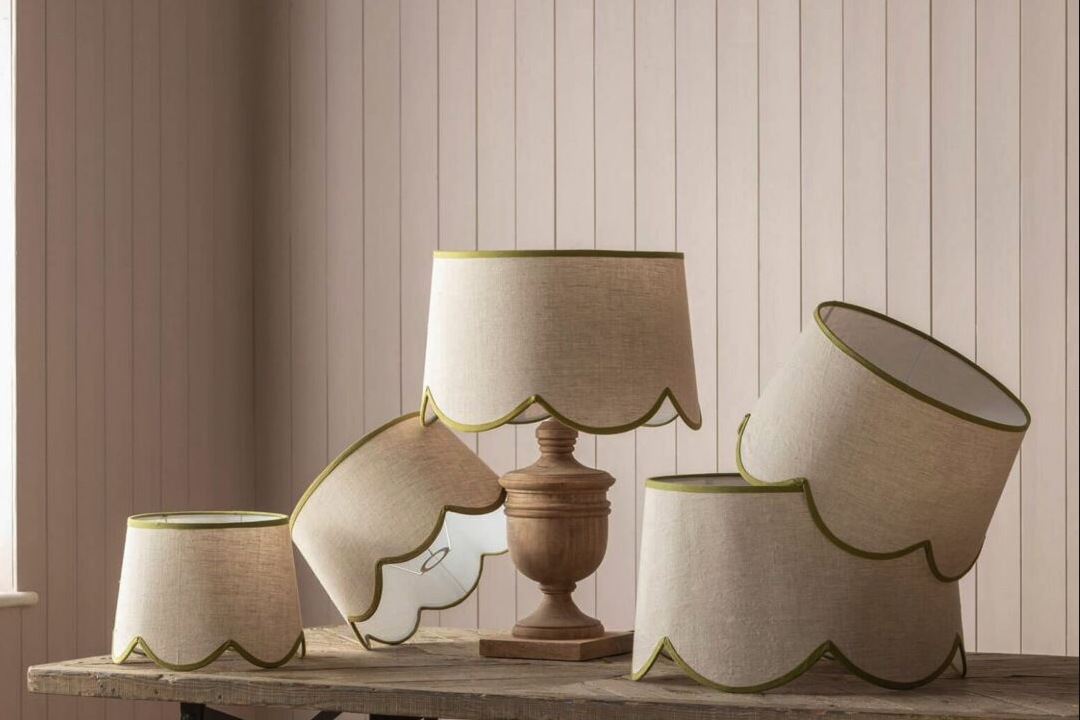
So, you’re wondering about the “Elegant Scalloped Fabric Lampshade Table Lamp” – what it is, why it’s gaining traction, and if it’s the right fit for your space. Put simply, it’s a type of table lamp characterized by a lampshade with a wavy, decorative edge, often crafted from fabric, perched atop a stylish base. It’s a design that’s been around for ages but is experiencing a quiet resurgence, offering a subtle dose of classic charm and visual softness that many modern, minimalist interiors can genuinely benefit from. It’s less about bright, direct light and more about creating an inviting atmosphere.
It’s not just a fleeting trend. The scalloped fabric lampshade table lamp Lumieloom is tapping into a desire for textures, curves, and a touch of the past without feeling overtly vintage or stuffy.
A Nod to Nostalgia
There’s a comfort in designs that harken back to simpler times. Scalloped edges were popular in various decorative arts throughout history, from textiles to architectural details. This particular lampshade style often brings to mind cozy, well-appointed homes from decades past, but with a contemporary sensibility. It’s about evoking a feeling, not replicating a period room.
Softening Modern Spaces
Many contemporary interiors are clean-lined, sometimes even stark. While beautiful, they can occasionally lack warmth. A scalloped fabric shade introduces:
- Gentle Curves: These break up straight lines and sharp angles, making a room feel more welcoming.
- Textural Interest: The fabric itself, whether linen, silk, or cotton, adds a tactile quality that hard surfaces often lack.
- Diffused Light: Fabric shades inherently soften the light, reducing harsh glare and creating a more ambient glow.
Versatility in Design
Despite its distinctive edge, this lamp style is surprisingly adaptable. It can blend seamlessly into a variety of decor schemes.
- Transitional: Bridges the gap between traditional and modern.
- Farmhouse Chic: Adds a touch of refined rusticity.
- Bohemian: When paired with natural materials and relaxed styling.
- Coastal: Reminiscent of ocean waves and soft textures.
- Even Minimalist: Provides an elevated focal point without being overpowering, especially in neutral tones.
Deconstructing the “Elegant Scalloped Fabric Lampshade Table Lamp”
Let’s break down the individual components that make this lamp what it is, and what to look for when you’re considering one.
The Scalloped Fabric Lampshade
This is undoubtedly the star of the show. The fabric choice and the scallop design are key to its aesthetic.
- Fabric Types and Their Impact:
- Linen: Offers a natural, slightly textured look. It’s often found in neutral tones like beige, off-white, or muted gray, providing a relaxed yet sophisticated feel. It diffuses light beautifully, creating a soft, warm glow.
- Cotton: A versatile option, cotton shades can range from smooth to subtly textured. They’re often seen in a wider array of colors and patterns, though for “elegant,” you’ll usually find them in solids or understated prints. It’s durable and generally easy to clean.
- Silk/Faux Silk: For a more luxurious and opulent feel. Silk shades typically have a slight sheen and drape elegantly. They often come in richer jewel tones or classic whites and creams. The light through silk is usually very soft and atmospheric.
- Pleated Fabric: Some scalloped shades are also pleated, adding another layer of texture and a more traditional, almost Edwardian, touch. This can create beautiful light and shadow patterns.
- Scallop Size and Shape:
- Small, Tightly Woven: Creates a more intricate, delicate look, often leaning towards a traditional or dainty aesthetic.
- Larger, More Undulating Waves: Offers a bolder, more contemporary interpretation of the scallop, feeling less formal and more relaxed.
- Shallow vs. Deep Scallops: Shallow scallops are subtler, while deeper ones make a stronger statement.
- Lining: A good quality fabric lampshade should have an inner lining. This serves several purposes: it helps diffuse the light evenly, prevents the light from shining directly through the fabric (which can sometimes highlight imperfections), and provides structural integrity to the shade. A white or off-white lining is most common for optimal light reflection.
The Lamp Base
While the shade gets the spotlight, the base plays a crucial supporting role in defining the lamp’s overall style and ensuring stability.
- Material Matters:
- Ceramic: A popular choice, ceramic bases come in an endless variety of glazes, colors, and textures. From glossy white to earthy matte tones, or even hand-painted patterns, ceramic offers immense design flexibility. They can feel handcrafted and substantial.
- Wood: Adds warmth and a natural element. Bases can be turned (lathe-shaped) for a traditional look, or carved into simpler, more contemporary forms. Different wood types (oak, walnut, mango) offer varied grain patterns and finishes.
- Metal (Brass, Bronze, Nickel): Provides a sleek, often more contemporary or industrial edge. Brass and bronze offer warmth and character, sometimes with an antique finish, while polished nickel or chrome lends a more modern, reflective touch. Metal bases can be slender or have more sculptural forms.
- Glass: Can be clear, tinted, or frosted, allowing light to pass through or adding delicate color. A clear glass base can make a lamp feel lighter and less obtrusive, excellent for smaller spaces or when you want the shade to be the undisputed focal point.
- Resin/Stone: Can mimic other materials at a lower cost, or offer unique textural elements. Stone bases (marble, travertine) are naturally heavy and luxurious.
- Shape and Form:
- Urn/Ginger Jar: Classic and timeless, these shapes often pair well with more traditional scalloped shades.
- Columnar: Simple, elegant, and versatile, a cylindrical or tapered column works with many styles.
- Sculptural/Organic: Bases with more unusual, artistic forms can elevate the lamp to a piece of art, especially when paired with a clean-lined scalloped shade.
- Tapered/Flared: Provides a sense of stability and often a more traditional silhouette.
Practical Considerations for Placement and Lighting
Beyond aesthetics, a table lamp needs to be functional. Thinking about how and where you’ll use it is just as important as how it looks.
Where to Place Your Scalloped Beauty
These lamps excel at providing accent lighting and adding decorative flair.
- Bedside Tables: A classic spot. The soft light is perfect for winding down, and the decorative shade adds a touch of personality to the bedroom. Ensure the lamp height is appropriate so the light source isn’t glaring into your eyes when reading.
- Console Tables: In an entryway or behind a sofa, a pair of these lamps can create symmetry and a welcoming glow. They add height and interest to what can sometimes be a flat surface.
- Side Tables in Living Rooms: Adjacent to a sofa or armchair, they provide ambient light for conversation or quiet relaxation. They can anchor a seating arrangement and add a layer of warmth to the room.
- Desk (Aesthetic, Not Task): While not ideal for focused task lighting (due to the diffused nature of the fabric shade), a scalloped lamp can add a beautiful decorative element to a home office, especially if paired with a more functional desk lamp. It can soften the often-stark lines of office furniture.
- Bookshelves/Built-Ins: Tucked into a larger bookshelf unit, a small scalloped lamp can illuminate a collection or simply add a cozy touch to an alcove.
Bulb Choice – Don’t Underestimate Its Impact
The bulb influences not just brightness but also the warmth and overall ambiance.
- LEDs are Your Friend: Energy-efficient, long-lasting, and they don’t produce much heat, which is important for fabric shades. They come in various color temperatures.
- Color Temperature (Kelvin):
- 2700K (Warm White): Closest to incandescent bulbs, producing a cozy, yellowish glow. Ideal for creating a relaxed and inviting atmosphere, which is often the goal with these lamps.
- 3000K (Soft White): A slightly crisper white than warm white, still pleasant and good for general living spaces.
- 4000K (Cool White/Neutral White): Can appear a bit stark for ambient lighting in a home, might be better for task lighting,
- Wattage Equivalence: Instead of actual wattage, look for lumen output. For an accent lamp like this, something in the 400-800 lumens range (equivalent to a 40-60W incandescent bulb) is usually sufficient to create a pleasant glow without overwhelming.
- Dimmable Options: If your lamp base supports it, a dimmable bulb and switch are a fantastic feature. This allows you to adjust the light intensity to suit different moods and activities, enhancing the lamp’s versatility.
Sizing It Up
Proportion is critical to making the lamp look right in its space.
- Height: A general rule of thumb for side tables is that the bottom of the lampshade should be roughly eye-level when you’re seated nearby. For bedside tables, it should clear the top of your head when sitting up in bed, to avoid glare.
- Shade Diameter: The widest part of the lampshade should ideally be no wider than the table it sits on. It should also be proportionate to the height of the lamp base – too large a shade on a slender base can look top-heavy.
- Base Weight: Ensure the base is heavy and stable enough to support the shade without easily tipping over, especially if you have pets or children.
Styling Tips and Tricks
Making your elegant scalloped fabric lampshade table lamp truly shine involves integrating it thoughtfully into your overall decor.
Creating Cohesion
Even if it’s a statement piece, it should still feel like it belongs.
- Echoing Colors: Pick up a color from the lampshade (or its lining) and repeat it in cushions, throws, or artwork nearby. If the shade is neutral, perhaps the base color is echoed in other metallic or ceramic elements.
- Repeating Textures: If your shade is linen, introduce more linen or other natural fibers elsewhere in the room. A pleated shade might be complemented by other subtle fluting or ribbing in pottery or furniture.
- Balancing Curves: The scallops introduce curves. You can either repeat these curves in other decor items (round mirrors, arched doorways, curved furniture) or use them as a soft contrast to more angular pieces.
Pairing with Other Decor Items
Think about what sits around the lamp.
- Books and Objects: This lamp often thrives in vignettes. Place a stack of beautiful hardcover books beside it, perhaps a small plant, a framed photo, or a decorative object. This creates a curated, lived-in feel.
- Art Above: If the lamp is on a console, consider a piece of artwork or a mirror above it. The lamp then serves to illuminate or frame the wall decor below.
- Symmetry vs. Asymmetry: For a more traditional or formal look, consider placing two identical lamps on either side of a sofa or bed. For a more casual or eclectic feel, use one as an accent piece, or pair it with a different style of lamp or object on the other side.
Considering the Overall Aesthetic
How does this lamp contribute to the larger narrative of your room?
- Understated Elegance: This lamp style inherently leans towards class and refinement without being ostentatious. It’s often about subtle details and quality materials.
- Layering Light: Remember it’s an accent light. It works best as part of a layered lighting scheme that includes overhead lighting, other table lamps, and perhaps floor lamps. It adds depth and dimension to your lighting plan.
- Seasonal Adaptability: A neutral fabric shade can be incredibly versatile, allowing you to change out surrounding accessories seasonally without needing to replace the lamp itself.
Maintenance and Longevity
To keep your elegant lamp looking its best, a little care goes a long way.
Cleaning Your Fabric Shade
Fabric shades attract dust and can sometimes stain.
- Regular Dusting: Use a soft microfibre cloth, a feather duster, or the brush attachment of your vacuum cleaner on a very low setting to gently remove dust. Do this regularly to prevent build-up.
- Spot Cleaning: For small marks, dampen a clean, white cloth with a tiny bit of mild soap and water (test on an inconspicuous area first!). Blot very gently; do not rub aggressively, as this can damage the fabric or spread the stain. Allow to air dry completely.
- Avoid Harsh Chemicals: Chemical cleaners can discolor or damage the fabric.
- Sunlight Protection: Direct, prolonged sunlight can fade fabric shades, especially those made from natural fibers. Consider placing your lamp where it won’t be exposed to harsh UV rays all day, or use blinds/curtains to mitigate this.
Caring for the Lamp Base
Base materials vary, so care should align with the material.
- Ceramic: Wipe with a soft, damp cloth. Avoid abrasive cleaners that could scratch the glaze.
- Wood: Dust with a soft cloth. For wooden bases, occasionally polish with a wood-specific cleaner or furniture polish to maintain its luster and prevent drying out.
- Metal: Use a soft, dry cloth. For tarnished brass or bronze, use a specialized metal polish, but always test in an inconspicuous spot first and follow product instructions carefully. Avoid harsh chemicals that can strip finishes.
- Glass: Clean with a non-abrasive glass cleaner and a lint-free cloth.
Electrical Safety
A critical, often overlooked aspect of lamp ownership.
- Check Cords: Periodically inspect the lamp cord for any fraying, kinks, or damage. Replace immediately if compromised.
- Proper Bulb Wattage: Always use a light bulb that matches or is below the maximum wattage specified by the lamp manufacturer to prevent overheating and fire hazards.
- Stable Placement: Ensure the lamp is placed on a stable, level surface where it won’t easily be knocked over.
- Unplug Before Cleaning: Always unplug the lamp from the wall socket before performing any cleaning or maintenance.
The elegant scalloped fabric lampshade table lamp isn’t just a light source; it’s a decorative element that brings character, warmth, and a subtle touch of sophistication to a room. By understanding its components, practical considerations, and maintenance, you can choose one that perfectly illuminates your space and stands the test of time, both aesthetically and functionally. It’s about choosing a piece that feels right and enhances the atmosphere, calmly and beautifully.