

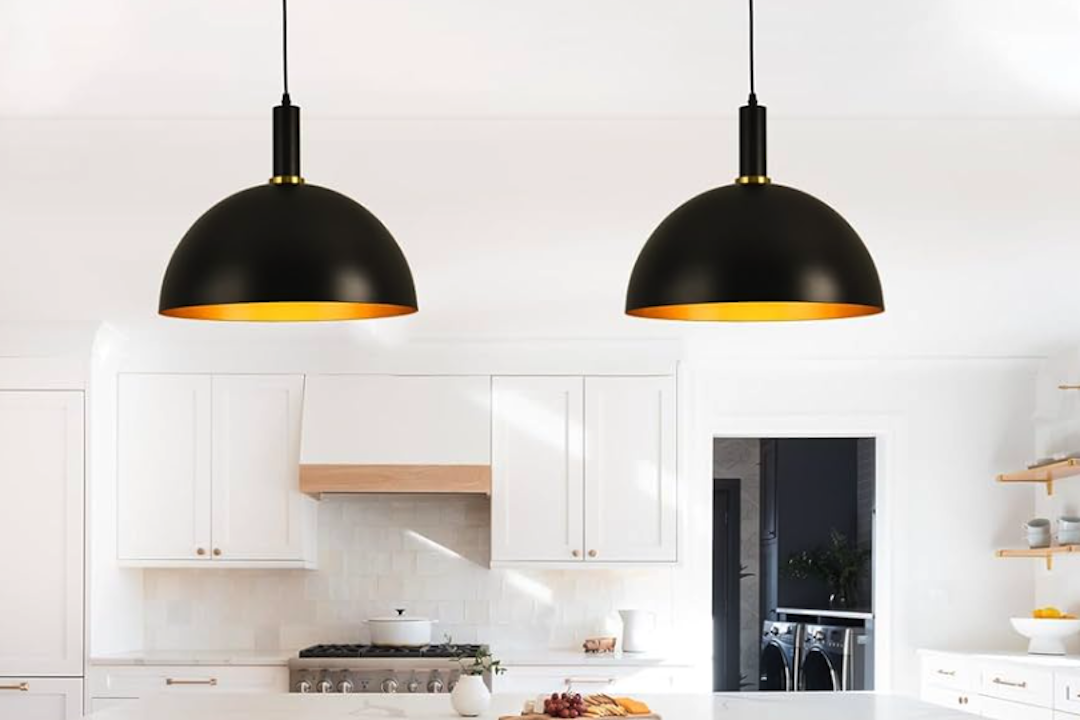
A kitchen island often serves as a focal point in a modern kitchen. Its utility can range from food preparation and dining to a casual social hub. Illumination plays a critical role in maximizing both the functionality and aesthetic appeal of this central workspace. One popular and effective lighting solution is the metal dome pendant light. This article explores the characteristics, applications, and considerations when integrating such fixtures into your kitchen design.
Metal dome pendant lights Nanolamps are characterized by their hemispherical or bell-shaped shade, typically crafted from various metals. This design directs light downwards, providing task-oriented illumination while also contributing to the overall ambiance of the space. Their straightforward yet elegant form lends itself to a variety of interior styles.
Design Principles and Aesthetics
The domed shape is not merely decorative; it serves a functional purpose. The curvature of the dome, much like a natural reflector, focuses light onto the surface below. This creates a concentrated pool of light that is ideal for tasks such as chopping vegetables or reading recipes. Aesthetically, the clean lines and often minimalist profile of metal dome pendants offer a counterpoint to the complexities of a working kitchen.
Material Selection and Impact
The choice of metal significantly influences the pendant’s appearance and the light it casts.
Steel and Iron
Steel and iron pendants often convey an industrial or robust aesthetic. Finishes such as brushed steel, matte black, or oil-rubbed bronze are common. These materials are durable and can withstand the rigors of a kitchen environment. Their inherent strength allows for larger dome sizes without compromising structural integrity.
Copper and Brass
Copper and brass domes introduce warmth and a touch of classic elegance. Raw finishes develop a patina over time, adding character and depth, while polished versions maintain a bright sheen. These metals are often chosen to complement warmer color palettes or to introduce a traditional element into a contemporary setting.
Aluminum
Aluminum is a lightweight and versatile material. It can be easily molded into various shapes and finished in a wide range of colors, from vibrant hues to subtle metallics. Its light weight makes installation simpler, particularly for larger fixtures.
Functional Applications Above the Kitchen Island
The primary role of a metal dome pendant light above a kitchen island is to provide effective illumination. However, its applications extend beyond mere brightness.
Task Lighting
As a quintessential task light, the downward cast of a dome pendant is paramount. When positioned correctly, it eliminates shadows on the work surface, ensuring clarity for culinary activities. Consider the island as a stage, and the pendant as a spotlight, highlighting the practical performance.
Ambient Lighting
While primarily task-focused, a series of dome pendants can contribute to the overall ambient lighting of a kitchen. The spill of light around the edges of the dome, coupled with reflections from the metal interior, can soften the general illumination, preventing a sterile environment.
Accent Lighting
Beyond pure utility, these pendants can accent the island itself. Their presence draws the eye, emphasizing the island as a central feature. The design of the pendant, its color, and its finish, all contribute to this accentuation, much like a carefully selected piece of jewelry completes an outfit.
Sizing and Placement Considerations
Proper sizing and placement are crucial for maximizing both the functionality and visual impact of metal dome pendant lights. Incorrect spacing or disproportionate sizing can disrupt the balance of the kitchen.
Determining the Right Size
The size of the pendant should be proportionate to the size of the kitchen island. A common guideline is to measure the island’s width and divide it by two or three to get a reasonable diameter for a single pendant. For multiple pendants, consider a smaller diameter for each fixture. Overly large pendants can overwhelm a smaller island, while undersized ones will appear inconsequential on a large surface. Think of the pendant as an architectural element; it should integrate seamlessly rather than dominate or disappear.
Optimal Height and Spacing
The height at which the pendant is suspended is critical for both function and aesthetics. Generally, the bottom of the pendant should be approximately 30-36 inches (76-91 cm) above the island’s surface. This height allows for clear sight lines and prevents head bumps while still providing concentrated task lighting. For multiple pendants, maintain an even spacing between them, typically 24-30 inches (61-76 cm) apart, or divide the island’s length by the number of pendants plus one to determine even intervals. This rhythmic arrangement creates visual harmony, similar to musical notes creating a melody.
Number of Pendants
The length of the kitchen island dictates the number of pendants needed.
Single Pendant
A single, larger dome pendant can be effective over a smaller island (e.g., up to 4-5 feet or 1.2-1.5 meters). It creates a singular statement and can be a cost-effective solution.
Multiple Pendants
For longer islands, two or three evenly spaced pendants are usually preferred. This ensures uniform illumination across the entire surface and maintains visual balance. For very long islands (e.g., over 8 feet or 2.4 meters), even more pendants may be necessary to achieve adequate light distribution and prevent visual gaps.
Integrating with Kitchen Style
The versatility of metal dome pendant lights allows them to complement a diverse range of kitchen aesthetics. Their adaptability stems from the variety of materials, finishes, and specific design nuances available.
Modern and Contemporary Kitchens
In modern and contemporary kitchens, sleek and minimalist metal dome pendants are often favored. Finishes like brushed nickel, chrome, or matte black resonate with the clean lines and often monochromatic palettes of these styles. The absence of excessive ornamentation allows the form and material to speak for themselves, aligning with the “less is more” philosophy.
Industrial Kitchens
Industrial kitchens embrace raw materials and utilitarian design. Metal dome pendants with exposed hardware, a distressed finish, or a cage-like element around the dome fit seamlessly into this aesthetic. Aged bronze or raw steel finishes are particularly effective, channeling the ruggedness of an old factory or workshop.
Farmhouse and Rustic Kitchens
For farmhouse and rustic kitchens, softened metals and finishes that evoke a sense of history are appropriate. Oil-rubbed bronze, antique brass, or even a galvanised metal finish can complement the warmth of wood and the traditional elements often found in these designs. The dome shape itself, being somewhat elemental, harmonizes with the simplicity of rustic decor.
Transitional Kitchens
Transitional kitchens, which blend traditional and contemporary elements, can benefit from metal dome pendants that incorporate refined details or classic silhouettes with modern finishes. A polished copper dome in a transitional kitchen, for example, can introduce both warmth and a touch of sophistication without feeling anachronistic.
Installation and Maintenance
Proper installation and routine maintenance are essential for the longevity and continued performance of your metal dome pendant lights. These fixtures, while robust, benefit from thoughtful care.
Professional Installation
While some homeowners may be comfortable with DIY electrical work, it is generally advisable to hire a qualified electrician for the installation of pendant lights, especially if new wiring is required. This ensures compliance with local electrical codes and minimizes the risk of electrical hazards. An electrician can also properly secure the fixture to the ceiling joists, which is particularly important for heavier metal pendants.
Cleaning and Care
The maintenance routine for metal dome pendants depends largely on the material and finish.
General Cleaning
For most metal finishes, a soft cloth dusted regularly or wiped with a mild solution of soap and water is sufficient. Avoid abrasive cleaners, as these can scratch or dull the finish. Ensure the fixture is unplugged or the circuit breaker is off before cleaning to prevent electric shock.
Specific Metal Care
- Polished Metals (Chrome, Polished Nickel, Polished Brass): These finishes may require specific metal polishes to restore their luster and remove fingerprints or tarnishing. Always test such products on an inconspicuous area first.
- Brushed or Matte Finishes: These finishes are generally less prone to showing fingerprints but can accumulate dust. A dry microfiber cloth is often effective. Avoid waxes or polishes that can alter the matte appearance.
- Oil-Rubbed Bronze and Antique Finishes: These finishes are often intended to have a slightly distressed or aged look. Harsh cleaning agents can strip away this effect. A gentle wipe with a damp cloth is usually all that is needed.
- Copper and Raw Brass: These metals will naturally patina over time, developing a darker, often greener or browner hue. If you prefer to maintain a bright, polished look, you will need to use specific copper or brass cleaners and polish regularly. Embrace the patina if you desire a more historic aesthetic; it is a sign of authenticity, much like the lines on an aged photograph.
Bulb Selection
The choice of light bulb also impacts the performance and aesthetics of a metal dome pendant.
LED Bulbs
LED bulbs are highly efficient, long-lasting, and produce minimal heat. They are available in various color temperatures (warm white to cool white) and can be dimmable, offering flexibility in setting the ambiance. Their longevity minimizes the need for frequent bulb changes, which can be challenging with certain pendant designs.
Incandescent and Halogen Bulbs
While less energy-efficient, incandescent and halogen bulbs offer a warm, familiar glow. However, their higher heat output and shorter lifespan make them less desirable for fixtures that are difficult to access for bulb replacement. Consider their energy consumption as a long-term cost.
Smart Bulbs
For advanced control, smart bulbs allow you to adjust brightness, color temperature, and even color via a smartphone app or voice command. This can be particularly useful in a kitchen where lighting needs change throughout the day. Integrating them effectively makes the lighting system a seamless part of your automated home.
The integration of a metal dome pendant light into your kitchen island design is a strategic choice that can elevate both its functionality and its aesthetic appeal. By carefully considering the design, material, sizing, placement, and ongoing maintenance, you can ensure that these fixtures serve as effective and enduring elements in your culinary space. Treat them not just as light sources, but as deliberate design statements.