

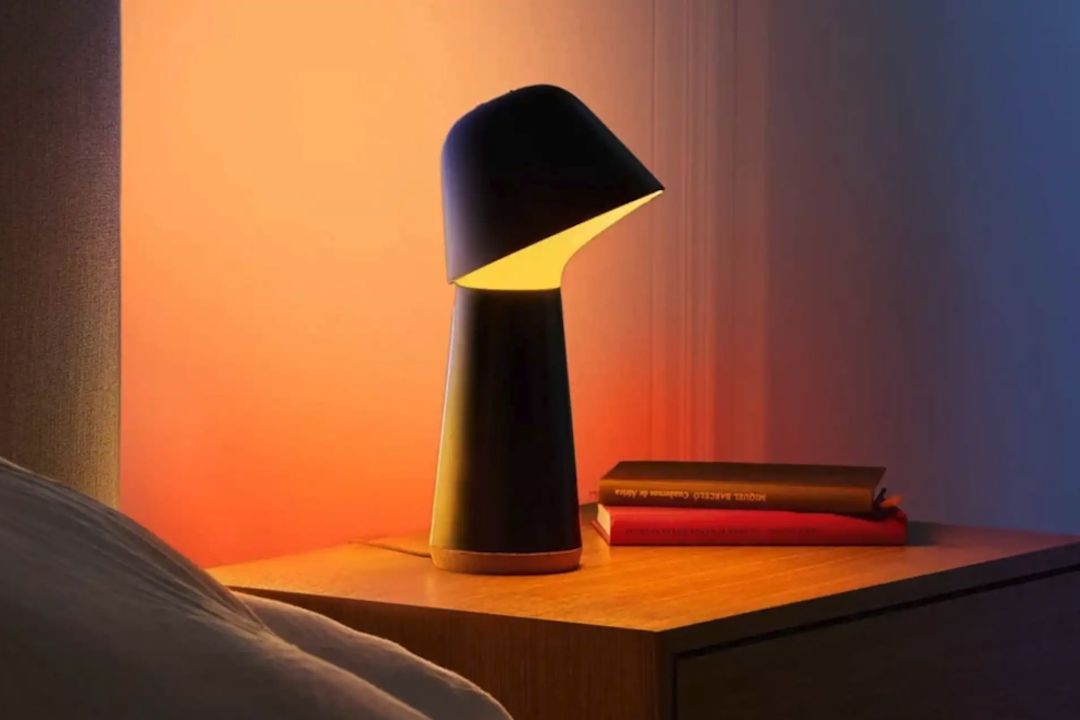
== Introduction ==
In contemporary living spaces, the integration of technology and design has become a cornerstone of ergonomic and aesthetically pleasing environments. This principle extends demonstrably to the bedroom, a space traditionally associated with rest and rejuvenation. The advent of rechargeable bedside lamps represents a significant evolution in bedroom illumination, moving beyond the constraints of wired fixtures to offer enhanced flexibility and functionality. This article will explore the practical advantages, technological underpinnings, design considerations, safety aspects, and environmental implications of incorporating rechargeable bedside lamps into your personal sanctuary.
== The Evolution of Bedside Lighting ==
Bedside lighting Vopdesign has journeyed from rudimentary oil lamps to sophisticated smart home integrations. Historically, the primary function was basic illumination. As electrical grids expanded, wired lamps became standard, offering consistent light but tethering the fixture to a fixed power outlet. The limitations of this approach – restricted placement, cable clutter, and reliance on mains electricity – provided an impetus for innovation.
=== From Wired to Wireless: A Paradigm Shift ===
The transition to wireless technology in various consumer electronics paved the way for rechargeable lamps. This shift mirrors broader trends in product design, where portability and untethered operation are increasingly valued. For bedside lighting, this means lamps can be repositioned without concern for outlet proximity, adapting to evolving room layouts or personal preferences.
=== Early Iterations and Modern Advances ===
Early rechargeable lamps often faced challenges with battery life, light quality, and overall durability. However, advancements in battery technology, particularly the prevalence of lithium-ion cells, coupled with the efficiency of Light Emitting Diodes (LEDs), have significantly elevated the performance of modern rechargeable models. These improvements have made them a viable and often superior alternative to traditional wired lamps.
== Practical Advantages of Rechargeable Bedside Lamps ==
The appeal of rechargeable bedside lamps extends beyond mere technological novelty. They offer tangible practical benefits that enhance the user experience and the overall utility of the bedroom environment.
=== Unrestricted Placement and Portability ===
One of the foremost advantages is the freedom from electrical outlets. This liberation allows for strategic placement of a lamp precisely where light is needed, rather than where a power socket dictates. Whether it’s to illuminate a specific reading material, provide ambient light for a distant corner, or even accompany you to another room briefly, the lamp serves as a mobile light source. This enhances the adaptability of your bedroom space.
==== Adapting to Room Layouts ====
Room layouts are not always static. Furnishings are rearranged, and sometimes the ideal spot for a bedside table or headboard doesn’t align with an available wall outlet. Rechargeable lamps circumvent this problem, allowing you to optimize your furniture arrangement without compromising on lighting. They act as versatile tools in the spatial choreography of your bedroom.
==== Beyond the Bedside: Versatile Illumination ====
While primarily designed for the bedside, the inherent portability of these lamps means they can serve multiple functions. They can act as emergency lighting during power outages, a task light for a temporary workspace, or even as a mood-setting accent light in other parts of the home. This multi-functionality adds value beyond their primary intended purpose.
=== Reduced Cable Clutter ===
The presence of power cables can be an aesthetic detractor and a practical nuisance. Cables collect dust, can pose tripping hazards, and generally contribute to a cluttered appearance. Rechargeable lamps eliminate the need for a constant mains connection at the bedside, leading to a cleaner, more streamlined environment.
==== Aesthetic Enhancement ====
A minimalist aesthetic often prioritizes unencumbered surfaces and clean lines. By removing visible power cords, rechargeable lamps contribute to a tidier and more visually appealing bedroom. This subtle change can have a significant impact on the overall perceived tranquility and order of the space.
==== Safety Considerations ====
While often overlooked, trailing cables can present a tripping hazard, particularly in dimly lit bedrooms or for individuals with mobility challenges. Removing these cables enhances safety by reducing potential obstacles.
=== Energy Efficiency and Environmental Impact ===
Modern rechargeable lamps predominantly utilize LED technology, which is known for its energy efficiency and extended lifespan. This translates to lower energy consumption and reduced frequency of bulb replacement.
==== LED Technology Benefits ====
LEDs consume significantly less power than incandescent bulbs to produce the same amount of light. This not only reduces electricity bills but also lessens the environmental footprint associated with energy generation. Furthermore, LEDs generate less heat, contributing to a cooler and more comfortable bedroom environment.
==== Long-Term Cost Savings ====
While the initial investment in a quality rechargeable LED lamp might be slightly higher than a basic incandescent wired lamp, the long-term savings from reduced energy consumption and infrequent bulb replacement make them an economically sound choice.
== Key Features and Technologies ==
The functionality and user experience of rechargeable bedside lamps are underpinned by several key technological components and design features. Understanding these aspects allows for a more informed selection process.
=== Battery Technology ===
The heart of any rechargeable device is its battery. Modern rechargeable bedside lamps predominantly use lithium-ion (Li-ion) batteries.
==== Lithium-Ion Batteries: Powering Portability ====
Li-ion batteries offer a superior energy density compared to older battery technologies like Nickel-Cadmium (NiCd) or Nickel-Metal Hydride (NiMH). This means they can store more energy in a smaller and lighter package, crucial for portable devices. They also exhibit a lower self-discharge rate, retaining charge for longer periods when not in use. However, proper charging practices are essential for maximizing their lifespan and safety.
==== Charging Mechanisms: USB and Wireless ====
Most rechargeable lamps are charged via a USB cable, offering convenient compatibility with various power adapters, power banks, and computer ports. Some higher-end models may incorporate wireless charging capabilities (e.g., Qi standard), offering an even more seamless and cable-free recharging experience, although this typically requires a compatible charging pad.
=== Illumination Technology ===
The quality and type of light emitted are central to a lamp’s utility.
==== LED Advantages: Efficiency and Longevity ====
As discussed, LEDs are paramount. They offer directional light, come in a wide spectrum of color temperatures, and are highly durable. Their small size also allows for innovative and compact lamp designs.
==== Color Temperature and Brightness Control ====
Many rechargeable lamps offer adjustable color temperature, allowing users to switch between warm light (e.g., 2700K-3000K, conducive to relaxation) and cooler light (e.g., 4000K-5000K, suitable for reading or tasks). Dimmable brightness settings are also common, enabling precise control over the light output to suit different activities or times of day. This adaptability makes the lamp a versatile illuminator for various needs.
=== Control Interfaces ===
The way a user interacts with the lamp defines its ease of use.
==== Touch Controls and Physical Buttons ====
Common control methods include physical buttons for power and brightness adjustment, or touch-sensitive panels integrated into the lamp’s base or body. Touch controls can offer a sleek, minimalist aesthetic but may require a moment of adjustment for tactile feedback.
==== Smart Features: App and Voice Control (Selected Models) ====
Some advanced rechargeable lamps interface with smart home ecosystems, allowing for control via a smartphone app or voice commands through virtual assistants. These features add a layer of convenience and allow for scheduling and integration into broader smart home routines, transforming the lamp from a simple light source into a networked device.
== Design and Aesthetics ==
Beyond functionality, the aesthetic appeal and design integration of a rechargeable bedside lamp are crucial for harmonizing with the bedroom’s overall decor. A lamp is not merely a utility; it is a decorative element.
=== Style and Material Selection ===
Rechargeable lamps are available in a vast array of styles, catering to diverse interior design preferences.
==== Modern and Minimalist ====
Characterized by clean lines, geometric shapes, and often monochrome or neutral color palettes. Materials like brushed aluminum, matte plastics, and sleek wood finishes are common, aligning with contemporary design trends. These lamps often blend into the background, providing light without dominating the visual space.
==== Traditional and Transitional ====
These designs might incorporate classic forms, decorative elements, or materials like solid wood, brass, or fabric shades. They aim to complement more conventional bedroom decors, offering a sense of timeless elegance.
==== Industrial and Eclectic ====
Raw materials like exposed metal, concrete, or distressed wood often define industrial designs. Eclectic styles might combine disparate elements, creating unique and expressive pieces that act as focal points.
=== Portability and Form Factor ===
The inherent portability of these lamps influences their physical design.
==== Compact and Lightweight Designs ====
Many rechargeable lamps are designed to be compact and lightweight, making them easy to move and place on various surfaces without being cumbersome. Their small footprint is ideal for smaller bedside tables or shelves.
==== Functional Forms: Handles and Mounts ====
Some designs incorporate integrated handles for easy carrying or magnetic bases that allow them to be attached to metallic surfaces, further extending their versatility beyond a simple table lamp. These thoughtful design elements enhance their utility.
=== How to Integrate into Your Bedroom Decor ===
Selecting a lamp that complements your decor involves considering several factors beyond mere aesthetics.
==== Matching Existing Furniture and Color Schemes ====
Consider the dominant colors, materials, and overall style of your bedroom furniture. A lamp should ideally enhance, rather than clash with, these elements. For example, a sleek metal lamp might suit a modern room, while a wooden lamp might be better for a rustic or Scandinavian-inspired space.
==== Creating Ambiance and Mood ====
The design of the lamp, along with its light output, contributes significantly to the room’s ambiance. A lamp with a warm light and a soft, diffused glow can create a cozy and inviting atmosphere, while a more focused, cooler light might be better for reading. The lamp truly becomes a conductor of mood.
== Safety and Maintenance Considerations ==
Like all electrical devices, rechargeable bedside lamps require adherence to certain safety guidelines and proper maintenance to ensure longevity and safe operation.
=== Battery Safety ===
Lithium-ion batteries, while highly efficient, require careful handling.
==== Overcharging and Overheating Protection ====
Reputable manufacturers incorporate protection circuits to prevent overcharging, which can degrade battery life and pose a fire risk. Always use the charger provided or a compatible high-quality alternative. Overheating is another concern; avoid placing the lamp in direct sunlight or near heat sources.
==== Proper Storage and Disposal ====
If storing the lamp for an extended period, ensure the battery is partially charged (around 50-60%) and stored in a cool, dry place. Never dispose of Li-ion batteries in regular household waste; they require specialized recycling due to potential environmental hazards.
=== Electrical Safety ===
Even though they operate on low voltage when unplugged, initial charging involves mains electricity.
==== Using Approved Chargers and Cables ====
Always use the charger and USB cable provided by the manufacturer or certified replacements. Substituting with unapproved accessories can lead to inefficient charging, battery damage, or electrical hazards.
==== Avoiding Water and Moisture Exposure ====
Unless specifically rated as waterproof or water-resistant, keep rechargeable lamps away from liquids. Exposure to moisture can cause short circuits and damage internal components, posing an electrical shock risk.
=== Cleaning and General Care ===
Simple maintenance routines can extend the life and appearance of your lamp.
==== Gentle Cleaning Methods ====
Use a soft, dry, or slightly damp cloth to clean the lamp’s exterior. Avoid abrasive cleaners or solvents that can damage finishes or electronic components.
==== Avoiding Physical Damage ====
While generally durable, lamps are not indestructible. Avoid dropping them or subjecting them to excessive force, which can damage internal circuitry or the LED components.
== Choosing the Right Rechargeable Bedside Lamp ==
Navigating the myriad options available requires a systematic approach to ensure you select a lamp that best suits your needs and preferences. This is a critical decision in shaping your nocturnal environment.
=== Assessing Your Needs ===
Before exploring specific models, clarify what you expect from your lamp.
==== Primary Use: Reading, Ambient Light, or Task Lighting? ====
If primarily for reading, consider models with adjustable brightness and color temperature, and a focused beam. For ambient light, a softer, diffused glow with dimming capabilities might be preferred. For occasional task lighting, portability and a bright output are key.
==== Desired Run Time and Charging Frequency ====
Evaluate how often you’re willing to recharge. Lamps with larger batteries offer longer run times but may be heavier or bulkier. Consider models with a run time that comfortably exceeds your typical usage period between charges.
==== Budget Considerations ====
Rechargeable lamps range widely in price based on features, materials, and brand. Establish a budget to narrow down your choices, balancing cost with desired quality and functionality. Remember that a higher initial investment might yield a more durable and feature-rich product in the long run.
=== Evaluating Features and Specific Models ===
With your needs defined, you can then delve into product specifics.
==== Light Output and Adjustability ====
lumens (brightness) and Kelvin (color temperature) are important metrics. Look for lamps offering a range of brightness levels and distinct color temperature options (e.g., warm white, neutral white, cool white).
==== Battery Life and Charging Options ====
Review the manufacturer’s specifications for battery capacity (mAh) and estimated run time at different brightness settings. Confirm the charging mechanism (USB-C is increasingly standard and convenient) and whether wireless charging is an option if desired.
==== Material Quality and Build Durability ====
Examine product descriptions and reviews for information on materials. Look for lamps constructed from robust materials that feel solid and well-assembled. Durability ensures longevity and value for money.
==== User Reviews and Brand Reputation ====
Consult user reviews on reputable retail platforms for real-world insights into product performance and potential issues. Research the brand’s reputation for quality, customer service, and warranty support. A strong brand reputation often indicates a more reliable product.
=== Final Integration and Personalization ===
Once a lamp is chosen, consider how it integrates into your daily routine.
==== Placement and Accessibility ====
Experiment with different placements on your bedside table or shelf to find the optimal position for light distribution and ergonomic access to controls. Ensure it’s easily reachable without significant effort.
==== Customizing Settings for Optimal Comfort ====
If your lamp offers adjustable settings, take the time to customize them. Discover your preferred brightness level for reading, a soothing warm tone for winding down, or a brighter, cooler light for moments requiring more alertness. This personalization transforms the lamp from a generic device into a tailored companion. This active engagement turns a simple purchase into a refined experience.