

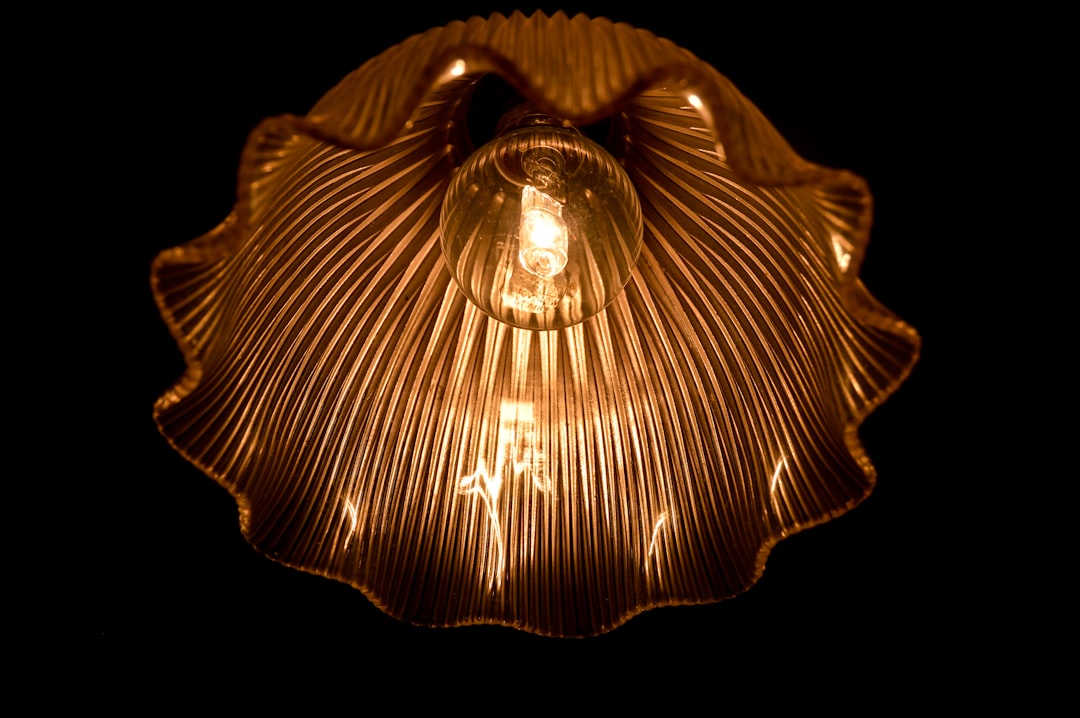
Wood pendant lighting can be an effective element in kitchen design. This lighting choice offers a blend of functionality and aesthetic appeal, influencing the atmosphere and utility of the space. Considerations for integrating wood pendant lighting include material selection, design styles, and placement.
The type of wood and its finish significantly impact the appearance and durability of a pendant light. These choices determine how the fixture interacts with other kitchen elements.
Hardwoods vs. Softwoods
Different wood types possess varying characteristics that affect the pendant’s overall look and longevity.
- Hardwoods: Options like oak, walnut, maple, and cherry are known for their density and resistance to wear.
- Oak: Offers a prominent grain pattern, which can add texture to a kitchen. It is a durable choice, suitable for a fixture requiring structural integrity. Its light to medium brown hues are adaptable to various color palettes.
- Walnut: Features a rich, dark brown color. Its fine grain provides a sophisticated appearance. Walnut is also durable, but often more expensive than other hardwoods.
- Maple: Presents a fine, even grain and a light, creamy color. It can be stained to mimic other wood types or left natural for a clean, contemporary look. Maple is hard and resistant to dents.
- Cherry: Known for its warm, reddish-brown tones that deepen with age and exposure to light. It has a fine, straight grain. Its natural aging process can add character to a kitchen over time.
- Softwoods: Pine, cedar, and fir are lighter in weight and typically more affordable.
- Pine: Often features knots and a distinct grain pattern, which can contribute a rustic or casual aesthetic. It is softer than hardwoods, making it more susceptible to dents, but its affordability makes it a common choice for stained or painted finishes.
- Cedar: Offers natural resistance to moisture and insects, though this is less critical for indoor lighting. Its distinctive aroma and reddish hue can add a specific character.
- Fir: Has a straight, uniform grain and a consistent color, often used when a lighter, less pronounced wood look is desired. It machines well and accepts finishes evenly.
Finishes and Treatments
Finishes protect the wood and enhance its visual qualities. The choice of finish can alter the perception of the wood and its integration into the kitchen’s design.
- Natural/Clear Finishes: These finishes, such as clear lacquers, varnishes, or oils, allow the inherent beauty of the wood grain and color to remain visible. They provide protection against moisture and wear while maintaining a natural appearance.
- Lacquer: Offers a hard, durable, and often glossy finish. It dries quickly and provides good protection.
- Varnish: Creates a protective film with varying sheen levels, from matte to high gloss. It is durable and resistant to water and chemicals.
- Oil Finishes: Penetrate the wood, enhancing its natural color and grain. They offer a more tactile, natural feel and are easier to repair if scratched, though they may require more frequent reapplication.
- Stains: Stains alter the color of the wood while allowing the grain to show through. This can be used to match existing cabinetry or to introduce a new color dimension. Stains range from light tints to dark, opaque hues.
- Water-based stains: Dry quickly and are low in VOCs. They can raise the wood grain, requiring light sanding after application.
- Oil-based stains: Penetrate deeply, offering rich, even color. They dry slower, allowing for more working time.
- Paints: Painting wood pendants provides an opaque color, concealing the wood grain. This can be used to integrate the pendants into a specific color scheme or to provide a bold contrast.
- Enamel paints: Offer a hard, durable finish, often used for high-traffic areas due to their chip resistance. They can provide a sleek, modern look.
- Chalk paints: Offer a matte, velvety finish, often used for a distressed or farmhouse aesthetic. They typically require a protective wax or sealer.
Design Styles and Aesthetic Integration
Wood pendant lighting can complement various kitchen design styles. Its versatility allows for seamless integration, or it can serve as a focal point.
Modern and Contemporary Kitchens
In modern and contemporary settings, wood pendants often feature simplified forms and clean lines.
- Geometric Shapes: Pendants may adopt minimalist geometric forms such as cylinders, cubes, or spheres. These designs often emphasize the wood’s natural grain as a primary decorative element.
- Blonde or Light Woods: Ash, birch, or light maple can be used to maintain a bright, airy feel. These woods complement minimalist palettes of whites, grays, and natural stone.
- Minimalist Design: The absence of ornate details focuses attention on the material itself. The fixture provides illumination without visual clutter.
- Integrated Technology: Some modern wood pendants might incorporate LED technology, providing efficient and adjustable lighting with a sleek profile.
Rustic and Farmhouse Kitchens
Wood is a fundamental element in rustic and farmhouse designs. Pendants in these styles often emphasize raw, unprocessed qualities.
- Distressed or Reclaimed Wood: Using wood with visible imperfections or from reclaimed sources adds authenticity and character. This can include visible grain, knots, and variations in color.
- Bulky or Substantial Forms: Pendants may have a more robust, substantial appearance, reflecting the utilitarian nature of farmhouse style. Shapes might include simple beams or rustic cages.
- Warm Tones: Woods like oak, pine, or darker walnut contribute to the warm, inviting atmosphere characteristic of these styles.
- Metal Accents: Often, rustic wood pendants are paired with wrought iron, brass, or blackened steel elements, reinforcing the industrial or handcrafted aesthetic. This might appear as chains, canopy details, or bulb holders.
Industrial Kitchens
Industrial design often incorporates raw materials and functional aesthetics. Wood can soften the otherwise stark characteristics of an industrial kitchen.
- Mixed Materials: Wood pendants often feature alongside exposed metal, concrete, or brick. The wood introduces warmth and a natural texture.
- Exposed Hardware: Bolts, screws, and metal brackets may remain visible, contributing to the utilitarian aesthetic.
- Darker Woods: Stained pine, dark oak, or cherry can blend with the muted color palettes common in industrial spaces.
- Simple Silhouettes: While the materials are robust, the shapes tend to be straightforward, avoiding unnecessary ornamentation. Common forms include simple domes or open cages.
Scandinavian Kitchens
Scandinavian design prioritizes functionality, simplicity, and natural elements. Wood is central to this aesthetic.
- Light Woods: Birch, pine, or light oak are prevalent, contributing to the bright and airy feel.
- Clean Lines: Pendants exhibit unfussy shapes and smooth surfaces.
- Natural Finishes: Stains and clear coats are preferred to let the wood’s natural character shine.
- Functional Design: Beyond aesthetics, Scandinavian pendants are designed for practical illumination, often directing light effectively over a workspace.
Placement and Lighting Strategy
The strategic placement of wood pendant lighting is crucial for both functionality and visual impact within the kitchen.
Task Lighting
Pendant lights are effective for task-oriented illumination over specific work areas.
- Above Kitchen Island: This is a common location for pendants. A series of two or three pendants spaced evenly over an island ensures adequate illumination for food preparation, dining, or casual gatherings. The size and shape of the island dictate the number and scale of the fixtures.
- Over a Peninsula: Similar to an island, a peninsula benefits from targeted lighting. Pendants here define the workspace and provide focused light.
- Above a Sink: A single pendant directly above the kitchen sink can provide essential task lighting, brightening an area often shadowed by overhead cabinetry. In larger kitchens, two smaller pendants might flank the sink.
Ambient Lighting
While primarily task-focused, pendants can contribute to the overall ambient light when selected and placed carefully.
- Even Distribution: When several pendants are used in a larger kitchen, they can contribute to a layered lighting scheme, supplementing general ambient light sources like recessed lighting or flush mount fixtures.
- Fixture Design: Pendants with translucent shades, or those designed to cast light upwards as well as downwards, can contribute more to ambient illumination. Wooden shades typically direct light downwards unless specifically designed otherwise.
Accent Lighting
Pendants can also serve as accent lighting, highlighting architectural features or drawing attention to a particular area.
- Highlighting Features: A single, distinct pendant above a design feature, like a built-in banquette or a small display shelf, can serve as an accent.
- Visual Interest: Unique or sculptural wood pendants can be visual points of interest, even when not providing intensive task lighting.
Spacing and Height Considerations
Correct spacing and mounting height are vital for optimizing light distribution and maintaining visual balance.
- Island/Peninsula Spacing: For multiple pendants over an island, a common guideline is to place them approximately 22-30 inches apart, measured from the center of each fixture. This allows for even light coverage without visual clutter. The “rule of thirds” can also be applied, dividing the island into segments for pendant placement.
- Height Above Countertop: Pendants are typically hung 30-36 inches (75-90 cm) above the countertop or island surface. This height prevents obstruction of views while providing effective task lighting. Adjustments may be necessary for individual preferences or ceiling heights. Taller occupants may prefer higher settings to avoid head clearance issues.
- Ceiling Height: In kitchens with very high ceilings, the pendants might need to be hung slightly lower to achieve the recommended distance above the working surface. However, care should be taken to ensure they do not appear disconnected from the room. Conversely, in kitchens with lower ceilings, compact or flush-mount pendants might be a more suitable alternative to avoid overcrowding the space.
Installation and Safety
Proper installation of wood pendant lighting is essential for safety and optimal performance.
Electrical Requirements
Understanding basic electrical principles is important, though professional installation is often recommended.
- Circuit Load: Ensure the existing electrical circuit can support the additional load of the new fixtures. Overloading a circuit can lead to tripped breakers or fire hazards.
- Wiring: Pendants typically require a standard 120V AC circuit in North America (230-240V in Europe and other regions). The wiring must be correctly connected to the ceiling junction box.
- Grounding: Proper grounding of the fixture is critical to prevent electrical shock.
- Dimmers: Consider installing dimmer switches to control light intensity, allowing for adaptable illumination from bright task lighting to softer ambient light. Ensure the chosen bulbs are dimmer-compatible.
Mounting and Support
The fixture’s weight and the ceiling’s structure determine the appropriate mounting method.
- Junction Box: Pendants are typically mounted to an electrical junction box in the ceiling. This box must be securely fastened to a ceiling joist or adequately supported by a brace if positioned between joists.
- Weight Capacity: Verify the junction box and its supporting structure can safely hold the weight of the pendant fixture. Heavier pendants, especially those made from solid wood, may require additional reinforcement.
- Securing the Canopy: The pendant’s canopy (the ceiling plate) must be flush against the ceiling and securely fastened.
Safety Precautions
Adherence to safety protocols during installation and use is paramount.
- Power Disconnection: Always turn off power to the circuit at the main breaker before beginning any electrical work.
- Professional Installation: If unfamiliar with electrical wiring or mounting procedures, hiring a licensed electrician is advisable.
- Bulb Type: Use bulbs that are rated for the fixture’s maximum wattage and type (e.g., LED, CFL, incandescent). Over-wattage bulbs can lead to overheating and fire risks. Many modern wood pendants are designed for LED bulbs which produce less heat.
- Heat Dissipation: Ensure the pendant’s design allows for adequate heat dissipation, especially if using traditional incandescent bulbs, to prevent the wood from overheating or charring.
Maintenance and Care
Proper maintenance preserves the appearance and longevity of wood pendant lighting.
Cleaning
Regular cleaning helps maintain the aesthetic quality of the wood and the functionality of the light.
- Dusting: Dust surfaces regularly with a soft, dry cloth or a duster. Dust accumulation can dull the finish and interfere with light output.
- Gentle Wiping: For more thorough cleaning, a slightly damp cloth can be used on finished wood surfaces. Avoid abrasive cleaners or excessive moisture, which can damage the wood or its finish.
- Finish-Specific Cleaners: For lacquered or varnished wood, a specialized furniture polish or cleaner can be used sparingly according to product instructions. For oiled finishes, a reapplication of oil may be periodically necessary to maintain its luster and protective qualities.
- Hardware Cleaning: Metal components should be cleaned with care, using materials appropriate for their finish to avoid tarnishing or scratching.
Wood Protection
Protecting the wood from environmental factors extends its lifespan.
- Humidity Control: Kitchens can experience fluctuations in humidity. High humidity can cause wood to swell, while low humidity can lead to shrinking and cracking. Maintaining a relatively stable humidity level in the kitchen can help mitigate these issues.
- UV Exposure: Direct sunlight can cause wood finishes to fade over time. While not always practical for kitchen lighting, awareness of strong, direct UV exposure can inform fixture placement or window treatments.
- Avoid Harsh Chemicals: Do not use ammonia-based cleaners, abrasive pads, or harsh chemical sprays directly on the wood, as these can strip finishes or damage the wood itself.
Sustaining Appearance
Periodic inspection and care can address minor issues before they become significant.
- Inspect Finish: Periodically inspect the wood for signs of wear, fading, or damage to the finish. Minor scratches or dull spots on oiled wood can often be re-oiled. More extensive damage to varnished or lacquered finishes might require professional attention.
- Bulb Replacement: Replace bulbs promptly when they burn out to ensure consistent lighting. Consider energy-efficient LED bulbs, which have a longer lifespan and lower energy consumption.
- Tighten Connections: Over time, vibrations or temperature changes might loosen screws or connections. Periodically check and gently tighten any loose hardware on the fixture or its mounting plate.
By attending to these aspects, wood pendant lighting can remain a durable and attractive feature in your kitchen.